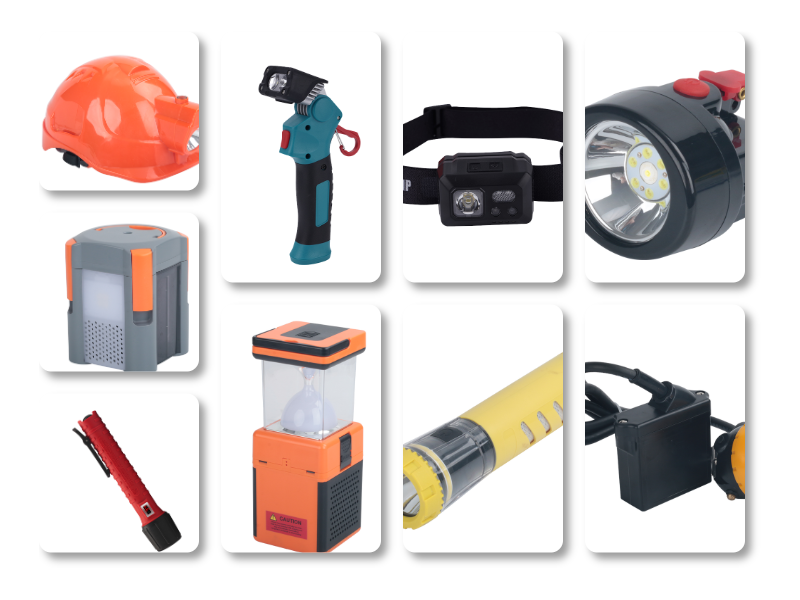
In recent years, China has been actively investing in the development of explosion-proof tactical lighting solutions. As one of the world’s largest economies and a leading producer of various industrial goods, China’s government recognizes the importance of ensuring the safety and efficiency of its workers, particularly in high-risk industries such as mining, oil and gas, and chemical manufacturing. This article explores the government’s initiative in promoting explosion-proof tactical lighting in China.
The Need for Explosion Proof Tactical Lighting
Explosion-proof lighting is designed to prevent the ignition of flammable gases, vapors, or dust in environments where such hazards are present. These environments are often found in industrial settings, such as refineries, mines, and chemical plants. Traditional lighting fixtures can pose a significant risk in these areas, as they can generate sparks or heat that may ignite flammable substances, leading to explosions or fires.
China’s government has recognized the potential dangers associated with traditional lighting in high-risk industries. As a result, there has been a growing emphasis on the adoption of explosion-proof tactical lighting solutions to protect workers and minimize the risk of accidents.
Government Initiatives
To promote the use of explosion-proof tactical lighting, the Chinese government has implemented several initiatives:
1. Regulatory Framework: The government has established stringent regulations governing the use of lighting fixtures in hazardous areas. These regulations require businesses to use explosion-proof lighting that meets specific safety standards.
2. Incentives: To encourage businesses to invest in explosion-proof lighting, the government offers various incentives, including tax breaks and subsidies. These incentives help reduce the financial burden on businesses and make the transition to explosion-proof lighting more feasible.
3. Public Awareness Campaigns: The government has launched public awareness campaigns to educate businesses and workers about the importance of explosion-proof lighting. These campaigns aim to highlight the potential dangers of traditional lighting and the benefits of adopting safer alternatives.
Advantages of Explosion Proof Tactical Lighting
The adoption of explosion-proof tactical lighting offers several advantages:
1. Enhanced Safety: By preventing the ignition of flammable substances, explosion-proof lighting significantly reduces the risk of accidents and injuries in high-risk industries.
2. Increased Efficiency: Explosion-proof lighting fixtures are designed to provide optimal illumination in hazardous areas, ensuring that workers can perform their tasks safely and efficiently.
3. Longevity: These lighting solutions are built to withstand harsh conditions, such as high temperatures, dust, and vibration. This makes them more durable and longer-lasting than traditional lighting fixtures.
4. Environmental Impact: Explosion-proof lighting fixtures are often more energy-efficient, which helps reduce the carbon footprint of businesses and contributes to a greener environment.
Challenges and Future Prospects
Despite the numerous benefits of explosion-proof tactical lighting, there are still challenges to be addressed:
1. Cost: Although the government offers incentives, the initial cost of explosion-proof lighting can be a barrier for some businesses, particularly small and medium-sized enterprises.
2. Awareness: Some businesses and workers may still be unaware of the potential dangers associated with traditional lighting and the benefits of explosion-proof alternatives.
3. Technical Standards: Ensuring that explosion-proof lighting fixtures meet the required safety standards can be challenging, especially for businesses that lack the necessary expertise.
Looking ahead, the Chinese government is expected to continue promoting the use of explosion-proof tactical lighting. As technology advances and awareness increases, the adoption of these lighting solutions is likely to grow, further enhancing the safety and efficiency of high-risk industries in China.