Blog

  • The Evolution and Importance of Relay Manufacturing

      Relay manufacturing has been an integral part of the electrical industry for over a century. As a crucial component in various electrical systems, relays play a vital role in controlling and protecting circuits. This article delves into the evolution of relay manufacturing, its significance in modern society, and the future challenges and opportunities it faces.

      The Birth of Relay Manufacturing

      The concept of the relay dates back to the early 19th century when the first electromagnetic relay was invented by Joseph Henry in 1831. However, it was not until the late 19th century that relay manufacturing began to gain momentum. The industrial revolution brought about a surge in demand for electrical devices, and relays became essential for controlling and protecting these devices.

      The Early Years

      In the early years of relay manufacturing, relays were primarily made of copper and iron. These relays were simple in design and functioned as switches that could be controlled remotely. The manufacturing process involved handcrafting the components and assembling them manually. This process was time-consuming and expensive, limiting the production of relays.

      The Rise of Automation

      The mid-20th century saw the advent of automation in relay manufacturing. The introduction of machines and assembly lines significantly increased production efficiency and reduced costs. Automation also allowed for the mass production of relays, making them more accessible to a wider range of applications.

      The Digital Age

      The digital age brought about a new wave of innovation in relay manufacturing. The development of solid-state relays (SSRs) replaced traditional electromechanical relays, offering several advantages such as faster response times, lower power consumption, and improved reliability. SSRs also allowed for better integration with modern electronic systems.

      The Significance of Relay Manufacturing

      Relays are essential components in various electrical systems, including:

      1. Power distribution systems: Relays help control and protect power distribution systems, ensuring the safe and efficient transmission of electricity.
    2. Industrial automation: Relays are used in industrial automation to control machinery and processes, improving productivity and reducing downtime.
    3. Home automation: Relays are used in home automation systems to control lighting, heating, and cooling, among other applications.

      The Future of Relay Manufacturing

      The future of relay manufacturing is bright, with several challenges and opportunities on the horizon:

      1. Miniaturization: As technology advances, there is a growing demand for smaller, more efficient relays. This trend is expected to continue, with manufacturers focusing on developing compact relays that can fit into tight spaces.
    2. Smart relays: The integration of sensors and communication capabilities into relays is expected to revolutionize the industry. Smart relays can provide real-time data and insights, enabling better control and maintenance of electrical systems.
    3. Sustainability: As the world becomes more environmentally conscious, relay manufacturers are increasingly focusing on sustainable practices. This includes using eco-friendly materials and reducing energy consumption in the manufacturing process.

      In conclusion, relay manufacturing has come a long way since its inception. With continuous innovation and technological advancements, relays continue to play a vital role in modern society. As the industry faces new challenges and opportunities, it is poised to evolve further, shaping the future of electrical systems and automation.

    Relay manufacturing

  • Wiring Duct for Rail Transit: The Backbone of Modern Urban Transportation

      In the rapidly evolving landscape of urban transportation, the role of wiring duct for rail transit cannot be overstated. As cities continue to grow, the demand for efficient and reliable rail systems has become more critical than ever. This article delves into the significance of wiring ducts in rail transit, their types, and the technological advancements shaping their future.

      The Significance of Wiring Ducts

      Wiring ducts are an integral part of rail transit systems, serving as the backbone for electrical installations. These ducts are designed to house electrical wires and cables that supply power to the trains, signaling systems, and other essential components of the rail network. Their importance lies in their ability to ensure uninterrupted power supply and maintain the overall functionality of the transit system.

      Efficiency and Reliability

      The primary purpose of wiring ducts is to ensure efficiency and reliability in the distribution of electrical power. As rail transit systems are designed to transport large numbers of passengers within cities, any downtime can lead to significant inconvenience and financial loss. By providing a robust and secure conduit for electrical cables, wiring ducts help prevent disruptions and maintain the smooth operation of the transit system.

      Types of Wiring Ducts

      There are various types of wiring ducts used in rail transit systems, each designed to cater to specific requirements. Some of the common types include:

      1. Conduit Systems: These are the most common type of wiring ducts used in rail transit. They are typically made of metal or plastic and provide a durable and flexible conduit for electrical cables.

      2. Manholes: Manholes are used to house wiring ducts and provide access to the electrical infrastructure. They are designed to be watertight and resistant to corrosion, ensuring the longevity of the system.

      3. Trenching: Trenching involves excavating a trench along the rail line to lay wiring ducts. This method is suitable for new rail projects or when existing infrastructure needs to be expanded.

      4. Buried Ducts: Buried ducts are installed beneath the ground to protect the electrical infrastructure from external factors such as weather and vandalism. They are ideal for long-term durability and minimal maintenance.

      Technological Advancements

      As technology continues to advance, new and innovative solutions are being developed to enhance the performance of wiring ducts in rail transit systems. Some of the latest advancements include:

      1. Smart Ducts: Smart ducts are equipped with sensors that monitor the condition of the electrical infrastructure. These sensors can detect anomalies, such as cable damage or overheating, and alert maintenance teams to potential issues before they lead to system failures.

      2. Fiber-Optic Cables: Fiber-optic cables are being increasingly used in wiring ducts to transmit data and enhance communication within the rail transit network. This technology allows for faster and more reliable data transfer, which is crucial for real-time monitoring and control.

      3. Recycled Materials: With the growing awareness of environmental sustainability, the use of recycled materials in wiring ducts has become more prevalent. These materials help reduce the environmental impact of rail transit systems while still providing the necessary durability and performance.

      Conclusion

      Wiring ducts for rail transit play a crucial role in ensuring the efficiency, reliability, and sustainability of modern urban transportation systems. As technology continues to evolve, the future of wiring ducts looks promising, with new innovations aimed at improving their performance and reducing their environmental impact. By understanding the importance of wiring ducts and the technological advancements shaping their future, cities can ensure that their rail transit systems remain at the forefront of urban transportation innovation.

    wiring duct for rail transit

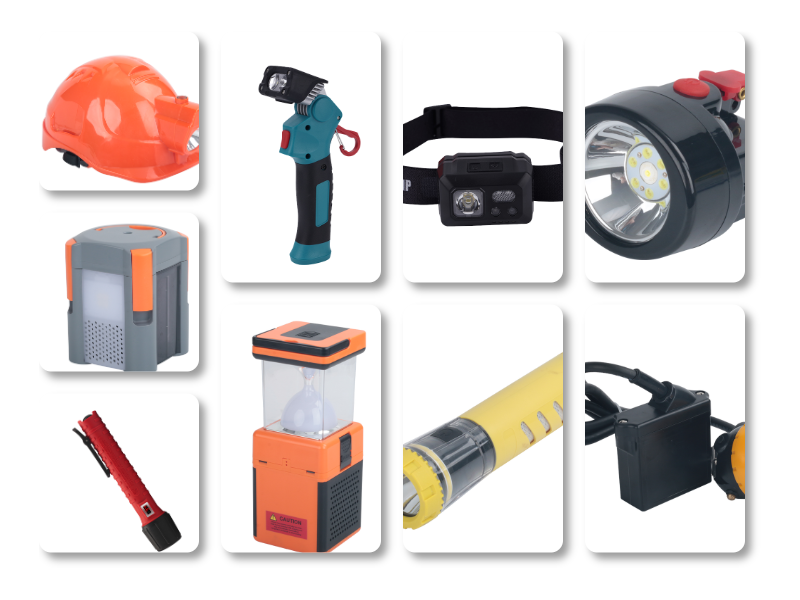
  • Intrinsically Safe Emergency Work Light Bulk China: A Reliable Lighting Solution for Hazardous Environments

      In today’s fast-paced industrial world, safety is paramount, especially in environments where hazardous materials are present. One crucial safety tool that cannot be overlooked is the intrinsically safe emergency work light. This article delves into the importance of these lights, their features, and why bulk purchasing from China is a smart choice for businesses worldwide.

      **The Significance of Intrinsically Safe Emergency Work Lights**

      Intrinsically safe emergency work lights are designed to be used in environments where there is a risk of fire or explosion due to flammable gases, vapors, or dust. These lights are an essential component of any safety plan, providing illumination during power outages or emergency situations. By being intrinsically safe, these lights eliminate the risk of sparking, which could ignite hazardous substances and lead to a catastrophic event.

      **Key Features of Intrinsically Safe Emergency Work Lights**

      1. **Intrinsically Safe Design**: These lights are designed to prevent the generation of sparks or heat that could ignite flammable substances. They achieve this by using low-voltage power sources and special electrical components.

      2. **Long Battery Life**: Emergency situations can last for extended periods. These lights are equipped with long-lasting batteries that can provide illumination for hours, ensuring that workers can safely navigate their surroundings.

      3. **Durable Construction**: These lights are built to withstand harsh conditions, including extreme temperatures, moisture, and impact. This durability ensures that the lights will continue to function during emergencies.

      4. **Easy to Use**: These lights are designed with user-friendliness in mind. They typically feature a simple on/off switch and can be easily carried or mounted in various locations.

      5. **Multi-Functionality**: Some models come with additional features, such as a strobe function for signaling, a siren for alerting others, and a USB port for charging devices.

      **Why Purchase Intrinsically Safe Emergency Work Lights in Bulk from China?**

      1. **Cost-Effective**: Bulk purchasing from China can significantly reduce the cost per unit. This is due to the large-scale production and efficient supply chain management in China.

      2. **Quality Assurance**: Chinese manufacturers are known for their high-quality products. By purchasing in bulk, businesses can ensure that they receive a consistent supply of reliable emergency work lights.

      3. **Customization Options**: Many Chinese manufacturers offer customization options, allowing businesses to choose specific features, colors, and branding for their emergency work lights.

      4. **Fast Delivery**: Chinese manufacturers can produce and deliver large quantities of goods quickly, ensuring that businesses have their emergency work lights when they need them.

      5. **Excellent Customer Service**: Reputable Chinese manufacturers provide excellent customer service, including after-sales support and technical assistance.

      **Conclusion**

      Intrinsically safe emergency work lights are an essential safety tool for businesses operating in hazardous environments. By purchasing these lights in bulk from China, businesses can benefit from cost savings, quality assurance, and fast delivery. Investing in these lights is not just a smart decision but also a responsible one, as it ensures the safety of workers and prevents potential accidents.

    intrinsically safe emergency work light bulk China

  • Relay Suppliers: The Heart of Electrical Systems

      In the vast world of electrical systems, relays play a crucial role in ensuring the smooth and efficient operation of various devices. As such, the selection of reliable relay suppliers is of paramount importance. This article delves into the significance of relay suppliers, the factors to consider when choosing one, and the benefits of using high-quality relays.

      **The Role of Relay Suppliers**

      Relay suppliers are the backbone of the electrical industry. They provide a wide range of relays, which are electromagnetic switches used to control electrical circuits. These switches can be manually operated or controlled automatically, making them essential components in various applications, such as automotive, industrial, and consumer electronics.

      The primary function of a relay is to control a high-current circuit with a low-current signal. This feature makes relays ideal for applications where a small control signal can control a large load. Relay suppliers ensure that these components meet the required specifications and standards, guaranteeing the safety and reliability of electrical systems.

      **Factors to Consider When Choosing Relay Suppliers**

      When selecting relay suppliers, several factors should be taken into account to ensure that you receive high-quality products:

      1. **Quality and Reliability**: The supplier should have a strong reputation for providing high-quality, reliable products. Look for suppliers with certifications and standards compliance, such as ISO 9001, to ensure that their products meet the required quality standards.

      2. **Product Range**: A reputable relay supplier should offer a wide range of relays, including various types, voltages, and current ratings. This ensures that you can find the right relay for your specific application.

      3. **Technical Support**: Reliable relay suppliers offer excellent technical support, including product specifications, technical assistance, and troubleshooting advice. This support can be invaluable when integrating relays into your electrical system.

      4. **Price and Cost-effectiveness**: While it’s important to consider the cost of relay suppliers, it’s equally crucial to focus on the value and quality of the products. Look for suppliers that offer competitive pricing without compromising on quality.

      5. **Lead Time and Delivery**: Timely delivery is essential, especially in industries where production schedules are critical. Choose a supplier that can meet your required lead times and delivery schedules.

      **Benefits of Using High-Quality Relays**

      Using high-quality relays from reliable relay suppliers offers several benefits:

      1. **Improved System Performance**: High-quality relays ensure that your electrical system operates efficiently and reliably, minimizing downtime and maintenance costs.

      2. **Enhanced Safety**: Relays are designed to protect electrical systems from overloads, short circuits, and other hazards. Using high-quality relays can significantly reduce the risk of accidents and damage to your equipment.

      3. **Longevity**: High-quality relays are built to last, reducing the need for frequent replacements and lowering overall maintenance costs.

      4. **Customization**: Many relay suppliers offer customization options, allowing you to tailor the relays to your specific requirements. This flexibility can be crucial in certain applications.

      In conclusion, relay suppliers are essential partners in the electrical industry. By selecting a reputable and reliable supplier, you can ensure that your electrical systems operate smoothly, safely, and efficiently. When choosing relay suppliers, consider factors such as quality, product range, technical support, pricing, and delivery. Investing in high-quality relays will provide long-term benefits and contribute to the success of your business.

    Relay suppliers

  • Wiring Duct for Power Distribution Panels: A Comprehensive Guide

      Introduction:
    The installation of power distribution panels is a critical aspect of electrical systems in residential, commercial, and industrial buildings. One of the key components that ensure the efficient and safe operation of these panels is the wiring duct. This article provides a comprehensive guide to wiring ducts for power distribution panels, covering their importance, types, installation, and maintenance.

      Importance of Wiring Ducts:
    Wiring ducts play a vital role in the electrical infrastructure of any building. They serve several purposes, including:

      1. Organizing and protecting electrical wires: Wiring ducts keep wires neatly organized, reducing the risk of damage and improving the overall aesthetics of the installation.
    2. Facilitating future modifications: With a well-planned wiring duct system, it becomes easier to add or remove electrical components without disrupting the entire system.
    3. Enhancing safety: Properly installed wiring ducts help prevent electrical hazards, such as short circuits and overheating, by providing a controlled environment for the wires.
    4. Complying with regulations: Many local building codes and electrical standards require the use of wiring ducts for power distribution panels.

      Types of Wiring Ducts:
    There are various types of wiring ducts available, each with its unique features and applications. Some common types include:

      1. Conduit: Conduit is a rigid, metal or plastic tube used to protect electrical wires. It comes in different sizes and materials, such as PVC, steel, and aluminum.
    2. Raceway: Raceway is a flexible, plastic or metal channel used to route electrical wires. It is ideal for installations where wires need to be moved or repositioned frequently.
    3. Cable tray: Cable tray is a metal or plastic tray used to support and route cables. It is suitable for high-voltage and high-current applications.
    4. Junction box: Junction box is a box used to connect and protect electrical wires. It is commonly used in wiring duct systems to provide a central point for connecting wires from different conduits or raceways.

      Installation of Wiring Ducts:
    The installation of wiring ducts for power distribution panels involves several steps:

      1. Planning: Before installing the wiring ducts, it is essential to plan the layout of the electrical system. This includes determining the locations of the power distribution panels, the paths of the wiring ducts, and the types of conduits or raceways required.
    2. Cutting and fitting: Cut the wiring ducts to the required lengths and fit them into place. Ensure that the ducts are securely fastened to the walls or ceiling, and that they are properly aligned with the power distribution panels.
    3. Routing the wires: Once the wiring ducts are in place, route the electrical wires through the ducts. Ensure that the wires are not overcrowded and that there is enough space for future modifications.
    4. Connecting the wires: Connect the wires to the power distribution panels using appropriate connectors and terminations. Ensure that the connections are secure and meet the required electrical standards.

      Maintenance of Wiring Ducts:
    Regular maintenance of wiring ducts is crucial for ensuring the continued safe and efficient operation of the electrical system. Some maintenance tasks include:

      1. Inspecting the ducts: Regularly inspect the wiring ducts for signs of damage, such as cracks or corrosion. Replace any damaged ducts immediately.
    2. Cleaning the ducts: Clean the ducts to remove dust, debris, and other contaminants that can interfere with the proper functioning of the electrical system.
    3. Checking the connections: Inspect the connections between the wires and the power distribution panels for signs of wear or damage. Replace any faulty connections to prevent electrical hazards.

      Conclusion:
    Wiring ducts for power distribution panels are essential components of any electrical system. By understanding their importance, types, installation, and maintenance, you can ensure the safe and efficient operation of your electrical infrastructure.

    wiring duct for power distribution panels

  • Hazardous Area Portable Tactical Lighting Wholesale in China: A Comprehensive Guide

      In the rapidly evolving landscape of industrial safety, the demand for reliable and efficient lighting solutions in hazardous areas has surged. China, being a global manufacturing hub, offers a wide array of options for those seeking hazardous area portable tactical lighting wholesale. This article delves into the nuances of this specialized lighting, its applications, and the benefits of opting for wholesale purchases in China.

      **Understanding Hazardous Area Lighting**

      Hazardous area lighting is designed to operate in environments where flammable gases, vapors, or dust may be present. These areas are often classified into different zones based on the risk of ignition. Portable tactical lighting, on the other hand, is designed for quick deployment and use in emergency situations or during maintenance work.

      **Applications of Hazardous Area Portable Tactical Lighting**

      The applications of hazardous area portable tactical lighting are diverse. They are commonly used in oil refineries, chemical plants, mining operations, and other industries where safety is paramount. These lights are ideal for illuminating dark corners, providing emergency lighting during power outages, and ensuring visibility during maintenance or inspection work.

      **Why Choose Wholesale from China?**

      China has established itself as a leading manufacturer of hazardous area portable tactical lighting. Here are a few reasons why buying wholesale from China is a wise choice:

      1. **Cost-Effective**: China’s manufacturing prowess allows for the production of high-quality lighting solutions at competitive prices. Buying in bulk can significantly reduce the cost per unit, making it an attractive option for businesses.

      2. **Wide Range of Options**: Chinese manufacturers offer a vast array of lighting solutions, catering to different requirements and budgets. Whether you need LED or halogen lights, rechargeable or battery-powered options, you are likely to find what you need in China.

      3. **Quality Assurance**: Despite the competitive pricing, Chinese manufacturers are known for their commitment to quality. Many adhere to international safety standards and offer warranties on their products.

      4. **Customization**: Chinese manufacturers are often willing to customize lighting solutions to meet specific requirements. This flexibility is particularly beneficial for businesses with unique operational needs.

      **Key Considerations for Wholesale Purchases**

      When considering hazardous area portable tactical lighting wholesale in China, here are some key factors to keep in mind:

      1. **Supplier Reputation**: Choose a reputable supplier with a proven track record in the industry. Look for reviews, testimonials, and certifications to ensure the supplier’s reliability.

      2. **Quality Control**: Ensure that the supplier has a robust quality control process in place. This includes testing the lighting solutions for compliance with safety standards and durability.

      3. **Shipping and Logistics**: Consider the shipping costs, lead times, and logistics when making a wholesale purchase. Choose a supplier that offers efficient and reliable shipping options.

      4. **Language and Cultural Barriers**: While Chinese manufacturers are generally accommodating, language and cultural differences can sometimes pose challenges. It’s advisable to work with a supplier that offers excellent communication and support.

      **Conclusion**

      Hazardous area portable tactical lighting wholesale in China presents a compelling opportunity for businesses seeking high-quality, cost-effective lighting solutions. By considering the applications, benefits, and key factors associated with wholesale purchases, businesses can make informed decisions and ensure the safety of their operations. With the right supplier and approach, buying hazardous area portable tactical lighting in bulk from China can be a game-changer for your business.

    hazardous area portable tactical lighting wholesale in China

  • Relay Wholesale: Revolutionizing the Way We Buy and Sell

      In the ever-evolving world of retail and e-commerce, Relay Wholesale has emerged as a game-changer for businesses looking to streamline their supply chain and enhance their purchasing power. This innovative platform is redefining the traditional wholesale model, making it more accessible and efficient for both buyers and sellers. In this article, we will explore the key features of Relay Wholesale and how it is transforming the wholesale industry.

      **Introduction**

      The wholesale industry has long been characterized by complex supply chains, high barriers to entry, and limited transparency. However, Relay Wholesale is challenging these norms by offering a user-friendly, technology-driven platform that simplifies the process of buying and selling in bulk. By connecting manufacturers, distributors, and retailers, Relay Wholesale is creating a more interconnected and efficient wholesale ecosystem.

      **Key Features of Relay Wholesale**

      1. **User-Friendly Interface**: Relay Wholesale boasts an intuitive and easy-to-navigate interface, making it accessible to businesses of all sizes. The platform’s design allows users to quickly find the products they need, compare prices, and place orders with just a few clicks.

      2. **Extensive Product Range**: With a vast selection of products from various categories, Relay Wholesale caters to the diverse needs of businesses. Whether you are looking for electronics, fashion, home goods, or health and beauty products, you are likely to find what you need on this platform.

      3. **Competitive Pricing**: One of the standout features of Relay Wholesale is its competitive pricing. By eliminating middlemen and leveraging its extensive network of suppliers, the platform offers lower prices than traditional wholesale channels, allowing businesses to maximize their profits.

      4. **Bulk Ordering and Customization**: Relay Wholesale understands that bulk purchasing is essential for many businesses. The platform allows users to order products in large quantities, and it also offers customization options, such as branding and packaging, to meet specific business needs.

      5. **Secure Payment and Shipping**: Ensuring the security of transactions and the timely delivery of goods is crucial for any wholesale platform. Relay Wholesale offers secure payment gateways and reliable shipping options, giving users peace of mind when conducting business.

      6. **Community and Support**: Relay Wholesale fosters a strong sense of community among its users. The platform provides valuable resources, such as market trends, product guides, and customer support, to help businesses thrive in the competitive wholesale market.

      **How Relay Wholesale is Transforming the Wholesale Industry**

      1. **Increased Accessibility**: By making bulk purchasing more accessible, Relay Wholesale is democratizing the wholesale industry. Businesses of all sizes can now benefit from the advantages of buying in bulk, such as cost savings and improved inventory management.

      2. **Enhanced Efficiency**: The technology-driven platform of Relay Wholesale streamlines the entire purchasing process, from product discovery to order fulfillment. This increased efficiency allows businesses to focus on their core operations and grow their business.

      3. **Improved Transparency**: Relay Wholesale provides a transparent and straightforward process for buying and selling in bulk. This transparency helps build trust between buyers and sellers, fostering long-term relationships and a more stable supply chain.

      4. **Sustainable Practices**: Relay Wholesale is committed to sustainability and ethical sourcing. The platform encourages its suppliers to adopt eco-friendly practices and ensures that products are sourced responsibly.

      **Conclusion**

      Relay Wholesale is revolutionizing the way we buy and sell in the wholesale industry. By offering a user-friendly platform, extensive product range, competitive pricing, and a strong sense of community, Relay Wholesale is empowering businesses to thrive in the modern retail landscape. As the platform continues to grow and evolve, it is poised to become the go-to destination for businesses looking to streamline their supply chain and enhance their purchasing power.

    Relay Wholesale

  • Wiring Duct for Machinery and Equipment: A Comprehensive Guide

      In the modern industrial landscape, the efficient and safe operation of machinery and equipment is paramount. One critical component that ensures this is the wiring duct. This article delves into the importance of wiring ducts for machinery and equipment, their types, installation, and maintenance.

      **Introduction**

      Wiring ducts are essential for the proper functioning of machinery and equipment in various industries. They provide a protected pathway for electrical cables and wires, reducing the risk of damage and improving safety. This guide will explore the significance of wiring ducts, their different types, and how to install and maintain them effectively.

      **The Importance of Wiring Ducts for Machinery and Equipment**

      1. **Safety**: The primary function of wiring ducts is to safeguard electrical cables from external factors such as moisture, dust, and physical damage. This ensures the safety of both the machinery and the personnel operating them.

      2. **Efficiency**: Properly installed wiring ducts enhance the efficiency of machinery and equipment by reducing downtime due to cable failures or damage.

      3. **Ease of Maintenance**: Wiring ducts simplify maintenance tasks by providing easy access to electrical cables for inspection, repair, or replacement.

      **Types of Wiring Ducts**

      1. **Flexible Conduit**: This type of wiring duct is made of flexible materials like PVC or rubber and is suitable for applications where the cables need to be moved frequently.

      2. **Rigid Conduit**: Rigid conduits are made of materials like steel or aluminum and are ideal for fixed installations where cables do not require frequent movement.

      3. **Surface Conduit**: Surface conduits are mounted on walls or ceilings and are suitable for areas where space is limited.

      4. **Conduit Trays**: Conduit trays are used to organize and protect cables in open areas, such as factory floors or data centers.

      **Installation of Wiring Ducts**

      1. **Select the Right Type**: Choose the appropriate wiring duct based on the specific requirements of your machinery and equipment.

      2. **Plan the Layout**: Plan the layout of the wiring ducts to ensure they provide easy access to electrical cables and do not obstruct movement.

      3. **Install the Ducts**: Secure the wiring ducts in place using appropriate fasteners and supports.

      4. **Route the Cables**: Route the cables through the wiring ducts, ensuring they are not twisted or kinked.

      5. **Connect the Cables**: Connect the cables to the machinery and equipment, ensuring they are properly grounded.

      **Maintenance of Wiring Ducts**

      1. **Regular Inspection**: Conduct regular inspections of the wiring ducts to identify any signs of damage or wear.

      2. **Cleaning**: Clean the wiring ducts regularly to remove dust, debris, and moisture.

      3. **Repair or Replace**: If any damage is found, repair or replace the affected sections of the wiring ducts to maintain safety and efficiency.

      **Conclusion**

      Wiring ducts play a crucial role in the safe and efficient operation of machinery and equipment. By understanding their importance, types, installation, and maintenance, you can ensure the longevity and reliability of your industrial systems.

    wiring duct for machinery and equipment

  • Explosion Proof Flashlight Tender Supplier China: A Comprehensive Guide

      In the fast-paced world of industrial safety, explosion proof flashlights have become an essential tool for workers in hazardous environments. As a leading supplier in China, we offer a wide range of explosion proof flashlights that meet the highest safety standards. This article will provide a comprehensive guide to our services as an explosion proof flashlight tender supplier in China.

      **Introduction**

      Explosion proof flashlights are designed to prevent the ignition of flammable gases, vapors, or dust in environments where such risks are present. These flashlights are a crucial component of safety equipment in industries such as oil and gas, mining, and chemical processing. As a trusted supplier in China, we understand the importance of providing reliable and high-quality explosion proof flashlights to ensure the safety of workers.

      **Our Range of Explosion Proof Flashlights**

      Our product line includes various types of explosion proof flashlights, each designed to meet specific safety requirements. Here are some of the key features of our explosion proof flashlights:

      1. **Intrinsically Safe Design**: Our flashlights are intrinsically safe, meaning they are designed to prevent the generation of sparks or heat that could ignite flammable substances.

      2. **Durable Construction**: Made from high-quality materials, our flashlights are built to withstand harsh conditions, including extreme temperatures, humidity, and impact.

      3. **Long Battery Life**: Our flashlights are equipped with long-lasting batteries that ensure continuous operation in critical situations.

      4. **User-Friendly Features**: Our explosion proof flashlights are designed with user convenience in mind, featuring easy-to-use switches, adjustable brightness levels, and durable casings.

      **Why Choose Us as Your Tender Supplier**

      As a leading explosion proof flashlight tender supplier in China, we offer several advantages that set us apart from our competitors:

      1. **Extensive Experience**: With years of experience in the industry, we have a deep understanding of the needs of our clients and can provide tailored solutions.

      2. **Quality Assurance**: We adhere to the strictest quality control standards to ensure that every flashlight we supply meets the highest safety and performance requirements.

      3. **Competitive Pricing**: We offer competitive pricing without compromising on quality, making our products accessible to businesses of all sizes.

      4. **Global Reach**: As a supplier based in China, we have the capability to deliver our products to clients worldwide, ensuring that they have access to the safety equipment they need, wherever they are.

      **How to Place a Tender with Us**

      Placing a tender with us is a straightforward process. Here’s what you need to do:

      1. **Contact Us**: Get in touch with our sales team to discuss your specific requirements and obtain a quote.

      2. **Submit Your Tender**: Once you have received the quote, submit your tender proposal, including details of your project and the quantity of explosion proof flashlights required.

      3. **Review and Approval**: Our team will review your tender and provide feedback. Once approved, we will proceed with the order.

      4. **Delivery and After-Sales Support**: We ensure timely delivery of your order and offer comprehensive after-sales support to address any concerns or issues that may arise.

      **Conclusion**

      As a trusted explosion proof flashlight tender supplier in China, we are committed to providing high-quality safety equipment to protect workers in hazardous environments. With our extensive range of products, competitive pricing, and exceptional customer service, we are the ideal partner for your safety needs. Contact us today to learn more about how we can help you ensure the safety of your workforce.

    explosion proof flashlight tender supplier China

  • Understanding and Utilizing the 24V Relay: A Comprehensive Guide

      The 24V relay is a crucial component in various electrical and electronic systems, providing a reliable and efficient means of switching high-power circuits with low-power signals. In this article, we will delve into the basics of the 24V relay, its applications, and how to use it effectively.

      **Introduction**

      A relay is an electrically operated switch that uses an electromagnet to open or close circuits. The 24V relay, as the name suggests, operates at a voltage of 24 volts. It is widely used in industrial, automotive, and consumer applications due to its versatility and reliability. In this guide, we will explore the different types of 24V relays, their key features, and their applications.

      **Types of 24V Relays**

      There are several types of 24V relays, each designed for specific applications:

      1. **Magnetic Latching Relays**: These relays use permanent magnets to maintain their state even after the power is turned off. They are ideal for applications where continuous power is not available, such as in battery-powered systems.

      2. **Solid-State Relays (SSR)**: SSRs use semiconductors to switch the load, providing a quieter and more reliable alternative to mechanical relays. They are commonly used in applications requiring isolation between the control and output circuits.

      3. **Contact Relays**: These relays use mechanical contacts to switch the load. They are suitable for applications requiring frequent switching and are available in various contact arrangements, such as SPST, DPDT, and DPST.

      4. **Miniature Relays**: These relays are compact and lightweight, making them ideal for space-constrained applications. They are often used in consumer electronics and automotive systems.

      **Key Features of 24V Relays**

      Several key features make the 24V relay a popular choice for various applications:

      1. **Voltage Rating**: The 24V relay operates at a voltage of 24 volts, making it suitable for a wide range of applications.

      2. **Current Rating**: The current rating of a 24V relay varies depending on the type and design. It is essential to choose a relay with a current rating that matches the requirements of your application.

      3. **Contact Material**: The contact material used in a 24V relay affects its durability and reliability. Common contact materials include silver, gold, and copper.

      4. **Isolation**: Many 24V relays offer isolation between the input and output circuits, providing protection against electrical noise and voltage spikes.

      **Applications of 24V Relays**

      24V relays find applications in various industries and sectors:

      1. **Industrial Automation**: In industrial settings, 24V relays are used to control high-power circuits from low-power control signals. They are commonly used in manufacturing, process control, and robotics.

      2. **Automotive Industry**: 24V relays are used in automotive systems for various applications, such as door locks, window regulators, and lighting control.

      3. **Consumer Electronics**: These relays are used in consumer electronics, such as televisions, refrigerators, and washing machines, to control high-power circuits from low-power control signals.

      4. **Home Automation**: 24V relays are used in home automation systems to control lighting, heating, and cooling systems.

      **How to Use a 24V Relay**

      Using a 24V relay involves several steps:

      1. **Identify the Relay**: Determine the type and specifications of the relay, including its voltage, current, and contact arrangement.

      2. **Connect the Relay**: Connect the relay’s coil to the control circuit, ensuring that the polarity is correct. Connect the load to the relay’s contacts.

      3. **Power the Relay**: Apply power to the relay’s coil, which will activate the relay and close the contacts, allowing current to flow through the load.

      4. **Deactivate the Relay**: To deactivate the relay, disconnect the power from the coil, which will open the contacts and stop the current flow through the load.

      **Conclusion**

      The 24V relay is a versatile and reliable component that plays a crucial role in various electrical and electronic systems. By understanding the different types, key features, and applications of 24V relays, you can choose the right relay for your specific needs and use it effectively.

    relay 24v