Blog

  • Understanding and Utilizing the 12V Relay: A Comprehensive Guide

      In the realm of electrical automation and control systems, the 12V relay plays a crucial role. This article delves into the intricacies of the 12V relay, its applications, and how to effectively use it in various projects.

      The Basics of a 12V Relay
    A relay is an electromagnetic switch that operates using an electrical signal to control a higher power circuit. The 12V relay, as the name suggests, is designed to work with a 12-volt power supply. These relays are widely used due to their versatility and reliability. They come in various forms, including mechanical, solid-state, and latching relays.

      Applications of 12V Relays
    The 12V relay finds applications in a wide range of industries and everyday projects. Some common uses include:

      1. Automotive: In vehicles, 12V relays are used to control high-power accessories like headlights, wipers, and electric windows.
    2. Home Automation: They are essential in home automation systems, controlling appliances like garage doors, security systems, and HVAC systems.
    3. Industrial Automation: In industrial settings, 12V relays are used for controlling motors, sensors, and other electrical devices.
    4. Robotics: Robotics enthusiasts often use 12V relays to control motors and sensors in their projects.

      Choosing the Right 12V Relay
    When selecting a 12V relay for your project, consider the following factors:

      1. Contact Rating: This determines the maximum current the relay can handle. Ensure the relay’s contact rating is suitable for the circuit you plan to control.
    2. Coil Voltage: The relay’s coil voltage should match the voltage of your power supply. In this case, it should be 12V.
    3. Mounting Type: Relays come in various mounting types, such as through-hole, surface mount, or PCB mount. Choose a mounting type that suits your project requirements.
    4. Contact Configuration: Relays have different contact configurations, such as SPST (Single Pole, Single Throw), DPST (Double Pole, Single Throw), and SPDT (Single Pole, Double Throw). Choose the configuration that meets your circuit requirements.

      How to Use a 12V Relay
    To use a 12V relay, follow these steps:

      1. Connect the 12V power supply to the relay’s coil terminals (usually marked as COIL+ and COIL-).
    2. Connect the load (the device you want to control) to the relay’s contact terminals (usually marked as NO – Normally Open, NC – Normally Closed, and COM – Common).
    3. When the coil is energized, the relay’s contacts will change state, allowing the current to flow through the load.
    4. To de-energize the relay, disconnect the power supply from the coil terminals.

      Safety Precautions
    When working with 12V relays, it is essential to follow safety precautions to avoid accidents and damage to your equipment:

      1. Always turn off the power supply before handling the relay.
    2. Use appropriate tools and equipment when making connections.
    3. Ensure the relay’s contact rating is suitable for the load you plan to control.
    4. Do not exceed the relay’s maximum voltage and current ratings.

      Conclusion
    The 12V relay is a versatile and reliable component that finds applications in various industries and projects. By understanding its basics, choosing the right relay, and following safety precautions, you can effectively use the 12V relay to control high-power circuits in your projects.


    relay 12v

  • Wiring Duct for Industrial Control Cabinets: Essential Guide for Efficient Installation and Maintenance

      The industrial control cabinet is a crucial component in any manufacturing process, housing electrical control systems and equipment. One of the most important aspects of cabinet design is the wiring duct. This article provides an essential guide to the installation and maintenance of wiring ducts for industrial control cabinets, ensuring efficient and safe operation.

      **Introduction**

      Wiring ducts in industrial control cabinets play a vital role in protecting electrical cables and ensuring the smooth flow of power and signals. Properly installed and maintained wiring ducts enhance the lifespan of the control cabinet and its components, reduce downtime, and minimize the risk of electrical hazards. In this article, we will discuss the importance of wiring ducts, their types, installation procedures, and maintenance tips.

      **Importance of Wiring Ducts in Industrial Control Cabinets**

      1. **Protection of Cables**: Wiring ducts provide a protective barrier for electrical cables, safeguarding them from external factors such as dust, moisture, and physical damage.
    2. **Organization and Accessibility**: Properly organized cables within the wiring duct facilitate maintenance and troubleshooting, reducing downtime and improving productivity.
    3. **Safety**: By containing cables and preventing them from coming into contact with other components, wiring ducts minimize the risk of electrical hazards and fires.
    4. **Expansion and Flexibility**: Wiring ducts allow for easy expansion and modification of the control cabinet, accommodating future changes in the system.

      **Types of Wiring Ducts**

      1. **Metallic Ducts**: Made of materials like steel, aluminum, and copper, metallic ducts offer excellent protection against environmental factors and provide a strong structural support.
    2. **Plastic Ducts**: Lightweight and easy to install, plastic ducts are suitable for less demanding applications and offer good protection against moisture and chemicals.
    3. **Flexible Ducts**: Ideal for applications requiring movement and flexibility, flexible ducts can bend and adapt to various configurations within the control cabinet.
    4. **Modular Ducts**: Modular ducts provide a customizable solution, allowing users to adjust the size and configuration of the wiring duct as needed.

      **Installation Procedures**

      1. **Select the Right Duct**: Choose the appropriate wiring duct based on the specific requirements of your application, considering factors such as environmental conditions, cable type, and installation space.
    2. **Plan the Layout**: Before installation, plan the layout of the wiring duct, ensuring it is accessible for maintenance and troubleshooting while providing adequate protection for the cables.
    3. **Install the Duct**: Secure the wiring duct to the control cabinet using appropriate fasteners and supports, ensuring it is properly aligned and free from any obstructions.
    4. **Route the Cables**: Carefully route the cables within the duct, following best practices for cable management to maintain organization and accessibility.
    5. **Seal the Connections**: Ensure all connections between the duct and the control cabinet are sealed properly to prevent dust, moisture, and other contaminants from entering the cabinet.

      **Maintenance Tips**

      1. **Regular Inspections**: Conduct regular inspections of the wiring duct and its connections to identify any signs of wear, damage, or contamination.
    2. **Cleaning**: Keep the wiring duct clean and free from dust and debris to prevent the buildup of contaminants that can affect the performance of the cables.
    3. **Replacement**: Replace any damaged or worn-out wiring ducts to maintain the integrity of the control cabinet and ensure the safety of the electrical system.
    4. **Documentation**: Keep detailed records of the wiring duct installation and maintenance activities for future reference and troubleshooting.

      **Conclusion**

      Wiring ducts for industrial control cabinets are essential for ensuring the efficient and safe operation of electrical systems. By following the guidelines provided in this article, you can ensure the proper installation and maintenance of your wiring ducts, extending the lifespan of your control cabinet and minimizing the risk of electrical hazards.

    wiring duct for industrial control cabinets

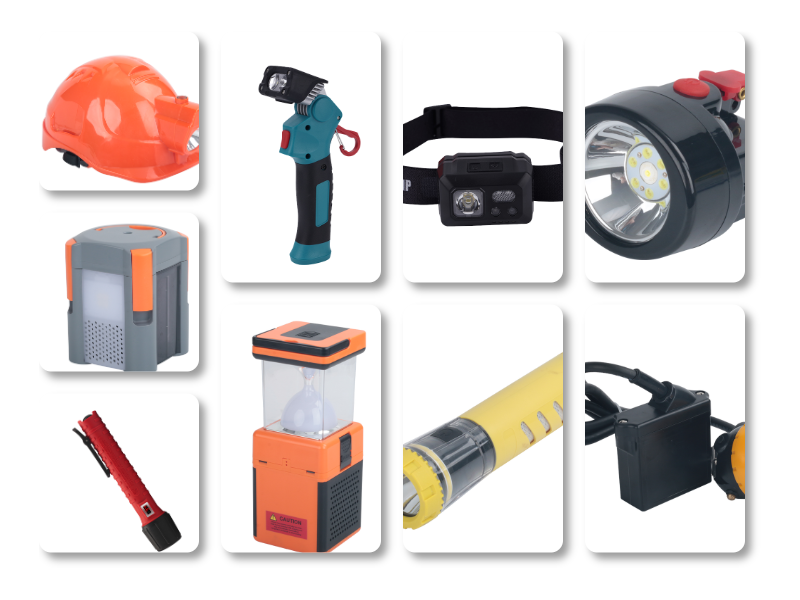
  • ATEX IECEx Mining Tactical Flashlight China: A Comprehensive Guide

      In the world of mining safety, the ATEX IECEx mining tactical flashlight China stands out as a crucial piece of equipment. This article aims to provide a comprehensive guide to understanding the significance of ATEX IECEx certified mining flashlights in China, their features, and the benefits they offer.

      **Introduction**

      Mining is an industry that demands high levels of safety and reliability. In this context, lighting equipment plays a vital role in ensuring the well-being of miners. The ATEX IECEx mining tactical flashlight China is designed to meet the stringent safety standards required in mining environments. This article delves into the details of these flashlights, their certifications, and their importance in the Chinese mining industry.

      **What is ATEX IECEx?**

      ATEX (Atmospheres Explosibles) and IECEx (International Electrotechnical Commission Explosive Atmospheres) are two international standards that regulate the use of equipment in potentially explosive atmospheres. These standards ensure that the equipment is safe to use in environments where flammable gases, vapors, or dust may be present.

      **Importance of ATEX IECEx Certification**

      The ATEX IECEx certification is crucial for mining equipment, including flashlights, as it guarantees that the product meets the necessary safety requirements. In China, where mining is a significant industry, the use of ATEX IECEx certified equipment is not just recommended but often mandatory. This certification ensures that miners are protected from the risks associated with explosion hazards in mining environments.

      **Features of ATEX IECEx Mining Tactical Flashlight China**

      1. **Durable Construction**: These flashlights are built to withstand harsh conditions often encountered in mining environments. They are typically made from high-quality materials that are resistant to impact, shock, and corrosion.

      2. **Long-Life Battery**: The flashlights are equipped with long-life batteries that can last for extended periods, ensuring continuous illumination during emergencies.

      3. **Multiple Lighting Modes**: They come with various lighting modes, including high, low, and strobe, to suit different needs in mining operations.

      4. **Waterproof and Dustproof**: These flashlights are designed to be waterproof and dustproof, making them suitable for use in damp and dusty conditions.

      5. **Impact-Resistant**: They are impact-resistant, which means they can withstand drops and collisions without malfunctioning.

      **Benefits of Using ATEX IECEx Mining Tactical Flashlight China**

      1. **Enhanced Safety**: The primary benefit of using ATEX IECEx certified mining flashlights is the enhanced safety it offers to miners. These flashlights reduce the risk of accidents and injuries in mining environments.

      2. **Compliance with Regulations**: By using ATEX IECEx certified equipment, mining companies can ensure compliance with local and international safety standards.

      3. **Improved Efficiency**: The advanced features of these flashlights, such as multiple lighting modes and long-life batteries, improve the efficiency of mining operations.

      **Conclusion**

      The ATEX IECEx mining tactical flashlight China is an essential piece of equipment in the mining industry. Its certification ensures safety, compliance with regulations, and improved efficiency. As mining companies continue to prioritize safety, the demand for ATEX IECEx certified mining flashlights in China is expected to grow. Investing in such equipment is not just a smart business decision but also a responsible one for the well-being of miners.

    ATEX IECEx mining tactical flashlight China

  • 12V 100A Relay: A Comprehensive Guide to High-Current Switching Solutions

      The 12V 100A relay is a crucial component in various electrical and electronic systems, particularly those requiring high current switching capabilities. This article aims to provide a comprehensive guide to the 12V 100A relay, covering its features, applications, and key considerations for selecting and using this high-performance relay.

      **Introduction**

      Relays are electromechanical devices that use an electromagnet to open or close circuits. They are widely used in industrial, automotive, and consumer applications due to their ability to control high currents with low-power signals. The 12V 100A relay, as the name suggests, is designed to handle currents up to 100 amperes at 12 volts. This makes it an ideal choice for applications requiring high current switching.

      **Features of 12V 100A Relay**

      1. **High Current Rating**: The primary feature of the 12V 100A relay is its ability to handle high currents. This makes it suitable for applications such as motor control, lighting, and power switching.

      2. **12V Operating Voltage**: The relay operates at 12 volts, making it compatible with a wide range of systems that use this voltage level.

      3. **Fast Response Time**: The 12V 100A relay offers a fast response time, ensuring quick and efficient switching of high currents.

      4. **Robust Construction**: These relays are designed with robust construction, ensuring durability and long-term reliability in harsh environments.

      5. **Multiple Contact Arrangements**: The 12V 100A relay comes in various contact arrangements, allowing users to select the configuration that best suits their application.

      **Applications of 12V 100A Relay**

      1. **Automotive Industry**: The 12V 100A relay is widely used in the automotive industry for applications such as engine control, lighting, and power distribution.

      2. **Industrial Automation**: These relays are used in industrial automation systems for controlling high-power devices such as motors, solenoids, and transformers.

      3. **Consumer Electronics**: The 12V 100A relay is also used in consumer electronics, such as power supplies, battery chargers, and audio systems.

      4. **Solar Power Systems**: These relays are used in solar power systems for switching high currents in solar panels, inverters, and battery storage systems.

      **Key Considerations for Selecting and Using 12V 100A Relay**

      1. **Contact Material**: The contact material of the relay is a crucial factor in determining its performance and longevity. Common materials include silver, gold, and copper alloys.

      2. **Insulation Resistance**: Ensure that the relay has adequate insulation resistance to prevent short circuits and ensure safe operation.

      3. **Operating Temperature Range**: Select a relay that can operate within the temperature range of your application to ensure reliable performance.

      4. **Mounting Type**: Choose a relay with the appropriate mounting type for your application, such as PCB mount, DIN rail mount, or panel mount.

      5. **Size and Weight**: Consider the size and weight of the relay, especially if it will be installed in a space-constrained environment.

      **Conclusion**

      The 12V 100A relay is a versatile and reliable component for high-current switching applications. By understanding its features, applications, and key considerations, you can select the right relay for your specific needs. Whether you are working on an automotive project, industrial automation system, or consumer electronics, the 12V 100A relay is an essential tool for ensuring efficient and safe operation.

    12V 100A Relay

  • Wiring Duct for Electrical Infrastructure: A Comprehensive Guide

      The electrical infrastructure of any building is a critical component that ensures the smooth operation of various systems and appliances. One of the most essential elements of this infrastructure is the wiring duct, which plays a vital role in protecting and organizing electrical wires. This article provides a comprehensive guide to wiring ducts for electrical infrastructure, covering their types, installation, and maintenance.

      **Introduction**

      Electrical wiring ducts are essential for the safe and efficient functioning of an electrical system. They provide a pathway for electrical wires, protecting them from external factors such as moisture, dust, and physical damage. Additionally, wiring ducts help in organizing the wires, making it easier to trace and repair any faults that may occur. In this article, we will delve into the different types of wiring ducts, their installation process, and the importance of regular maintenance.

      **Types of Wiring Ducts**

      1. **Conduit**: This is the most common type of wiring duct and is made of rigid materials such as PVC (polyvinyl chloride) or metal. Conduits are suitable for both indoor and outdoor applications and can be used to protect electrical wires from various environmental factors.

      2. **Flex Duct**: Flex ducts are flexible and made of materials like PVC or rubber. They are ideal for applications where wires need to be moved frequently or where there is a lot of movement in the area. Flex ducts are also suitable for tight spaces and can be easily installed in walls, ceilings, and floors.

      3. **Riser Duct**: Riser ducts are used to connect different floors in a building. They are typically made of metal and are designed to withstand high temperatures and pressure. Riser ducts are essential for the safe distribution of electrical power in multi-story buildings.

      4. **Tray Duct**: Tray ducts are flat and are used for horizontal wiring. They are suitable for areas where wires need to be easily accessible for maintenance and repair. Tray ducts are commonly used in office buildings, data centers, and other commercial spaces.

      **Installation Process**

      The installation of wiring ducts for electrical infrastructure requires careful planning and execution. Here are the general steps involved in the installation process:

      1. **Design and Planning**: The first step is to design the electrical system and plan the layout of the wiring ducts. This involves determining the locations of electrical outlets, switches, and other devices.

      2. **Material Selection**: Based on the design and application, select the appropriate type of wiring duct. Consider factors such as the environment, the number of wires, and the expected load.

      3. **Cutting and Measuring**: Cut the wiring ducts to the required length and measure them to ensure they fit the intended location.

      4. **Installation**: Install the wiring ducts according to the design plan. This may involve mounting the ducts on walls, ceilings, or floors. Ensure that the ducts are securely fastened and properly aligned.

      5. **Wiring**: Once the ducts are installed, run the electrical wires through them. Ensure that the wires are properly insulated and that there is enough space for future expansion.

      6. **Testing**: After the wiring is complete, test the electrical system to ensure that it is functioning correctly.

      **Maintenance**

      Regular maintenance of wiring ducts is crucial for the longevity and reliability of the electrical infrastructure. Here are some maintenance tips:

      1. **Inspection**: Regularly inspect the wiring ducts for signs of damage or wear. Look for cracks, corrosion, or any other signs of deterioration.

      2. **Cleaning**: Clean the ducts to remove dust, debris, and other contaminants. This will help prevent the buildup of dirt, which can affect the performance of the electrical system.

      3. **Repair**: If you notice any damage to the wiring ducts, repair them immediately. Delaying repairs can lead to more severe damage and potentially hazardous situations.

      4. **Upgrades**: As technology advances, consider upgrading your electrical infrastructure to take advantage of new and more efficient wiring ducts.

      **Conclusion**

      Wiring ducts for electrical infrastructure are an essential component of any building’s electrical system. By understanding the different types of wiring ducts, their installation process, and the importance of regular maintenance, you can ensure the safe and efficient functioning of your electrical infrastructure.

    wiring duct for electrical infrastructure

  • Portable Explosion Proof LED Tactical Torch Manufacturer in China: A Comprehensive Guide

      In the realm of portable explosion proof LED tactical torches, China stands as a leading manufacturer, offering a wide range of high-quality products that cater to various industrial needs. This article aims to provide a comprehensive guide to portable explosion proof LED tactical torch manufacturers in China, highlighting their key features, benefits, and how to choose the right one for your specific requirements.

      **Introduction**

      Portable explosion proof LED tactical torches are essential tools in environments where flammable gases or dust may be present, such as oil refineries, chemical plants, and mining sites. These torches are designed to prevent sparks that could ignite hazardous substances, ensuring safety and productivity. Chinese manufacturers have gained a reputation for producing reliable and efficient explosion proof LED tactical torches, making them a preferred choice for many international buyers.

      **Key Features of Portable Explosion Proof LED Tactical Torches**

      1. **Explosion-Proof Design**: The primary feature of these torches is their explosion-proof design, which prevents sparks from occurring. This is achieved through the use of special materials and construction techniques that meet international safety standards.

      2. **LED Technology**: LED lamps are used in these torches due to their high efficiency, long lifespan, and low power consumption. This makes them ideal for continuous use in harsh environments.

      3. **Portable and Durable**: These torches are designed to be lightweight and compact, making them easy to carry and use. They are also built to withstand harsh conditions, including drops, impacts, and exposure to water.

      4. **Long Battery Life**: Most explosion proof LED tactical torches come with long-lasting batteries, ensuring that they can be used for extended periods without the need for frequent recharging.

      5. **Multiple Lighting Modes**: Many models offer multiple lighting modes, including high, low, and strobe, to cater to different lighting needs.

      **Benefits of Choosing a Chinese Manufacturer**

      1. **Competitive Pricing**: Chinese manufacturers are known for their competitive pricing, offering high-quality products at affordable prices.

      2. **Large Selection**: There is a wide variety of explosion proof LED tactical torches available from Chinese manufacturers, catering to different needs and budgets.

      3. **Rapid Production and Delivery**: Chinese manufacturers have the capacity to produce large quantities of products quickly, ensuring timely delivery to customers worldwide.

      4. **Quality Control**: Many Chinese manufacturers adhere to international quality standards, ensuring that their products meet the highest safety and performance requirements.

      **How to Choose the Right Portable Explosion Proof LED Tactical Torch Manufacturer in China**

      1. **Research and Compare**: Conduct thorough research on different manufacturers, comparing their product ranges, prices, and customer reviews.

      2. **Check Safety Certifications**: Ensure that the manufacturer’s products have the necessary safety certifications, such as CE, ATEX, and IECEx.

      3. **Evaluate Customer Service**: A reliable manufacturer should offer excellent customer service, including pre-sales consultation and after-sales support.

      4. **Visit the Factory**: If possible, visit the manufacturer’s factory to inspect their production processes and quality control measures.

      5. **Request Samples**: Request samples to test the quality and performance of the torches before making a bulk order.

      **Conclusion**

      When it comes to portable explosion proof LED tactical torches, Chinese manufacturers offer a wide range of high-quality products that meet the needs of various industries. By following the guidelines outlined in this article, you can choose the right manufacturer and ensure the safety and efficiency of your operations.

    portable explosion proof LED tactical torch manufacturer in China

  • Understanding the 220V 30A Relay: Its Applications and Specifications

      The 220V 30A relay is a crucial component in various electrical and electronic systems. In this article, we will delve into the details of this relay, including its applications, specifications, and the factors to consider when selecting one.

      **Introduction**

      A relay is an electrical switch that operates electrically and can control a circuit either manually or automatically. It is widely used in industrial, commercial, and residential applications due to its ability to switch high currents and voltages. The 220V 30A relay, in particular, is designed to handle high voltage and current levels, making it suitable for a range of applications.

      **Applications of the 220V 30A Relay**

      The 220V 30A relay is used in various applications, including:

      1. **Industrial Automation**: In industrial settings, these relays are used to control high-power devices such as motors, transformers, and solenoids. They are essential in automation systems, where they help in switching and controlling circuits.
    2. **Home Appliances**: The 220V 30A relay is also used in home appliances such as washing machines, refrigerators, and air conditioners. It helps in controlling the power supply to these devices, ensuring efficient operation.
    3. **Automotive Industry**: In the automotive industry, these relays are used to control various electrical systems, such as the ignition system, lighting system, and air conditioning system.
    4. **Power Distribution**: The 220V 30A relay is used in power distribution systems to switch and control high-voltage circuits.

      **Specifications of the 220V 30A Relay**

      The 220V 30A relay has several specifications that make it suitable for its intended applications:

      1. **Voltage Rating**: The relay is designed to handle a maximum voltage of 220V AC or DC. This makes it suitable for a wide range of applications that require high voltage switching.
    2. **Current Rating**: The relay can handle a maximum current of 30A, which is suitable for switching high-power devices.
    3. **Contact Rating**: The relay has a contact rating of 220V at 30A, ensuring reliable switching and control of high-voltage circuits.
    4. **Operating Temperature**: The relay is designed to operate within a temperature range of -40°C to +85°C, making it suitable for various environmental conditions.
    5. **Insulation Resistance**: The relay has an insulation resistance of at least 100MΩ, ensuring safe and reliable operation.

      **Factors to Consider When Selecting a 220V 30A Relay**

      When selecting a 220V 30A relay, there are several factors to consider:

      1. **Application**: The intended application of the relay will determine the specific requirements, such as voltage, current, and contact rating.
    2. **Operating Environment**: The operating environment, including temperature, humidity, and vibration, should be considered to ensure the relay’s reliability and longevity.
    3. **Size and Mounting**: The size and mounting of the relay should be compatible with the available space and mounting hardware in the application.
    4. **Brand and Quality**: It is essential to select a reputable brand and ensure the relay meets the required quality standards.

      **Conclusion**

      The 220V 30A relay is a versatile and reliable component that is widely used in various applications. By understanding its specifications and considering the factors mentioned above, you can select the right relay for your specific needs. Whether it is for industrial automation, home appliances, or automotive applications, the 220V 30A relay is a valuable tool for controlling and switching high-voltage circuits.

    220V 30A Relay

  • Wiring Duct for Automotive Electrical Systems: Importance, Installation, and Maintenance

      Automotive electrical systems have become increasingly complex over the years, with modern vehicles being equipped with a multitude of electronic components. These components require a robust and efficient wiring system to ensure proper functioning. One crucial element of this system is the wiring duct, which plays a vital role in the overall performance and reliability of the vehicle. This article explores the importance of wiring ducts in automotive electrical systems, their installation process, and the maintenance required to keep them in optimal condition.

      **Introduction**

      Wiring ducts, also known as wire looms or cable trays, are protective enclosures designed to house electrical wiring in automotive vehicles. These ducts are essential for organizing and securing the wires, preventing them from getting tangled or damaged. They also help in managing the heat generated by the electrical components, ensuring the longevity of the system.

      **Importance of Wiring Ducts in Automotive Electrical Systems**

      1. **Protection**: The primary function of wiring ducts is to protect the electrical wires from external factors such as moisture, dust, and physical damage. This protection is crucial in maintaining the integrity of the system and preventing short circuits or electrical failures.

      2. **Organization**: Wiring ducts help in organizing the wires, making it easier to trace and repair them if needed. This organization also enhances the overall aesthetics of the vehicle’s interior.

      3. **Heat Management**: Electrical components generate heat during operation, which can be detrimental to the system’s performance. Wiring ducts provide a pathway for heat dissipation, ensuring that the components remain within safe operating temperatures.

      4. **Safety**: By protecting the wires and preventing them from coming into contact with other components, wiring ducts contribute to the overall safety of the vehicle.

      **Installation Process of Wiring Ducts**

      1. **Planning**: Before installing wiring ducts, it is essential to plan the layout of the vehicle’s electrical system. This involves identifying the locations where the ducts will be installed and determining the routing of the wires.

      2. **Selection**: Choose the appropriate wiring ducts based on the vehicle’s make, model, and the complexity of the electrical system. Ensure that the ducts are made from a material that is resistant to heat, moisture, and chemicals.

      3. **Installation**: Attach the wiring ducts to the vehicle’s body using suitable fasteners. Route the wires through the ducts, ensuring that they are not twisted or bent excessively. Secure the wires in place using cable ties or clips.

      4. **Sealing**: Once the wires are in place, seal the ends of the wiring ducts to prevent moisture and dust from entering. Use heat shrink tubing or sealant to achieve this.

      **Maintenance of Wiring Ducts**

      1. **Regular Inspection**: Periodically inspect the wiring ducts for signs of damage or wear. Look for any signs of fraying, cracking, or loose connections.

      2. **Cleaning**: Keep the wiring ducts clean to prevent the accumulation of dust and debris. Use a soft cloth and a mild cleaner to clean the ducts.

      3. **Repair**: If you notice any damage to the wiring ducts, repair them immediately. Replace any damaged sections or fasteners to maintain the integrity of the system.

      4. **Preventive Measures**: Implement preventive measures to reduce the risk of damage to the wiring ducts. Avoid exposing the vehicle to harsh weather conditions and avoid parking in areas with high levels of dust or debris.

      **Conclusion**

      Wiring ducts are an essential component of automotive electrical systems, providing protection, organization, and heat management. Proper installation and maintenance of these ducts are crucial in ensuring the longevity and reliability of the vehicle’s electrical system. By following the guidelines outlined in this article, you can help maintain the performance and safety of your vehicle’s electrical system.

    wiring duct for automotive electrical systems

  • Explosion Proof Tactical Light Bulk China: A Comprehensive Guide

      In the realm of tactical lighting, explosion proof tactical lights have emerged as a crucial component for various industries, particularly in mining, oil and gas, and other hazardous environments. China, being a global manufacturing hub, offers a vast array of explosion proof tactical lights in bulk. This article aims to provide a comprehensive guide to explosion proof tactical lights bulk from China, covering their features, benefits, and the best ways to source them.

      **Introduction**

      Explosion proof tactical lights are designed to withstand harsh conditions and are essential for workers in environments where flammable gases or vapors are present. These lights are engineered to prevent the ignition of sparks, ensuring safety and reliability. China, with its robust manufacturing industry, has become a leading exporter of explosion proof tactical lights in bulk. This guide will help you understand the key aspects of these lights and how to procure them from China.

      **Features of Explosion Proof Tactical Lights Bulk from China**

      1. **Material Quality**: Explosion proof tactical lights from China are typically made from high-quality materials like aluminum alloy, ensuring durability and resistance to corrosion.
    2. **Waterproof and Dustproof**: These lights are designed with IP65 or higher ratings, making them waterproof and dustproof, suitable for various environments.
    3. **Long Battery Life**: Most explosion proof tactical lights come with long-lasting batteries, providing ample illumination for extended periods.
    4. **User-Friendly Design**: These lights are designed with ease of use in mind, featuring adjustable brightness levels, easy-to-use switches, and compact sizes.
    5. **Wide Range of Options**: China offers a wide range of explosion proof tactical lights in bulk, catering to different needs and budgets.

      **Benefits of Buying Explosion Proof Tactical Lights in Bulk from China**

      1. **Cost-Effective**: Purchasing explosion proof tactical lights in bulk from China can significantly reduce the overall cost, making it an economical choice for businesses.
    2. **High-Quality Products**: Chinese manufacturers are known for their commitment to quality, ensuring that the lights meet international safety standards.
    3. **Large Inventory**: With a vast inventory, Chinese suppliers can cater to large orders, providing timely delivery and reducing lead times.
    4. **Customization Options**: Many Chinese manufacturers offer customization services, allowing businesses to tailor the lights to their specific requirements.

      **How to Source Explosion Proof Tactical Lights Bulk from China**

      1. **Research Reputable Suppliers**: Start by researching reputable suppliers in China. Look for manufacturers with experience in producing explosion proof tactical lights and positive customer reviews.
    2. **Request Samples**: Before placing a bulk order, request samples to ensure the quality of the lights meets your expectations.
    3. **Negotiate Prices**: Once you have identified a reliable supplier, negotiate prices to secure the best deal.
    4. **Review Contract Terms**: Carefully review the contract terms, including payment methods, delivery schedules, and warranty information.
    5. **Consider Logistics**: Plan your logistics in advance to ensure smooth delivery of the bulk order.

      **Conclusion**

      Explosion proof tactical lights bulk from China offer a cost-effective and reliable solution for businesses operating in hazardous environments. By understanding the key features, benefits, and sourcing process, you can make informed decisions when procuring these essential safety tools. Remember to research reputable suppliers, request samples, and negotiate prices to secure the best deals.

    explosion proof tactical light bulk China

  • 12V 60A Relay: Understanding Its Features and Applications

      The 12V 60A relay is a crucial component in various electrical and electronic systems, serving as a reliable switch for high current applications. In this article, we will delve into the features, specifications, and applications of the 12V 60A relay, providing you with a comprehensive understanding of this essential device.

      Introduction:
    A relay is an electrical switch that operates electrically and can control a circuit by opening or closing contacts. It is widely used in industrial, automotive, and consumer applications due to its ability to handle high currents and voltages. The 12V 60A relay, as the name suggests, is designed to handle a maximum current of 60 Amperes at 12 Volts. In this article, we will explore the key aspects of this relay, including its construction, specifications, and applications.

      Features of the 12V 60A Relay:
    1. High Current Handling: The 12V 60A relay is designed to handle high currents, making it suitable for applications that require switching of heavy loads.
    2. Wide Operating Voltage: This relay operates at a voltage of 12 Volts, making it compatible with a wide range of systems that use 12V power sources.
    3. Fast Response Time: The relay offers a fast response time, ensuring that the switching action is quick and efficient.
    4. Durable Construction: The relay is built with high-quality materials, ensuring its durability and long lifespan.
    5. Easy Installation: The 12V 60A relay is designed for easy installation, making it a convenient choice for various applications.

      Specifications of the 12V 60A Relay:
    1. Operating Voltage: 12 Volts DC
    2. Maximum Current: 60 Amperes
    3. Contact Rating: 240 Volts AC or 30 Volts DC
    4. Contact Material: Silver or gold-plated
    5. Mounting Type: PCB mount or screw mount
    6. Dimensions: Varies depending on the manufacturer

      Applications of the 12V 60A Relay:
    1. Automotive Industry: The 12V 60A relay is widely used in the automotive industry for applications such as engine control units, lighting systems, and air conditioning systems.
    2. Industrial Automation: This relay is ideal for industrial automation applications, such as motor control, machine control, and process control systems.
    3. Consumer Electronics: The 12V 60A relay is used in various consumer electronics devices, including power supplies, battery chargers, and inverters.
    4. Renewable Energy Systems: The relay is used in renewable energy systems, such as solar and wind power systems, for controlling the flow of electricity.
    5. Lighting Systems: The 12V 60A relay is used in lighting systems for switching high-power lights, such as streetlights and industrial lighting.

      Conclusion:
    The 12V 60A relay is a versatile and reliable device that plays a crucial role in various electrical and electronic systems. Its ability to handle high currents and voltages, combined with its fast response time and durable construction, makes it an ideal choice for a wide range of applications. By understanding the features, specifications, and applications of the 12V 60A relay, you can make informed decisions when selecting the right relay for your specific needs.

    12V 60A Relay