Blog

  • Understanding the Role of Electric Vehicle Relay in Modern Automotive Systems

      Electric vehicles (EVs) have revolutionized the automotive industry, offering a more sustainable and environmentally friendly alternative to traditional internal combustion engines. One of the key components that play a crucial role in the operation of electric vehicles is the electric vehicle relay. This article aims to delve into the significance of the electric vehicle relay, its functions, and its impact on the performance of EVs.

      The electric vehicle relay is an essential component of the electrical system in an electric vehicle. It acts as a switch that controls the flow of electricity between various parts of the vehicle’s electrical system. The relay is designed to handle high currents and voltages, making it suitable for the demanding requirements of electric vehicles.

      One of the primary functions of the electric vehicle relay is to control the high-voltage battery pack. In electric vehicles, the battery pack is the heart of the vehicle’s powertrain, providing the energy needed to propel the vehicle. The relay ensures that the battery pack is connected to the electrical system only when necessary, thus optimizing energy consumption and extending the battery’s lifespan.

      Another critical role of the electric vehicle relay is to manage the regenerative braking system. Regenerative braking is a unique feature of electric vehicles that converts kinetic energy into electrical energy during braking, which is then stored in the battery pack. The relay plays a crucial role in this process by controlling the flow of electricity between the motor and the battery pack, ensuring that the energy is efficiently transferred.

      The electric vehicle relay also plays a vital role in the power distribution system of the vehicle. It helps distribute power to various electrical components, such as the motor, lights, and auxiliary systems. This ensures that each component receives the required amount of power to function optimally, without overloading the system.

      One of the key advantages of the electric vehicle relay is its ability to handle high currents and voltages. Electric vehicles require a significant amount of power to operate, and the relay is designed to handle these high demands. This ensures that the electrical system operates smoothly and efficiently, without the risk of overheating or damage.

      The design of the electric vehicle relay is also a critical factor in its performance. Relays used in electric vehicles are typically designed with high-quality materials and advanced technology to ensure reliability and durability. These relays are also designed to be compact, lightweight, and resistant to harsh environmental conditions, such as extreme temperatures and humidity.

      In addition to its primary functions, the electric vehicle relay also contributes to the overall safety of the vehicle. By controlling the flow of electricity, the relay helps prevent electrical shorts and fires, which can be a significant risk in electric vehicles. This ensures that the vehicle operates safely and reliably, providing peace of mind to the driver and passengers.

      The evolution of the electric vehicle relay has been a testament to the advancements in automotive technology. As electric vehicles continue to gain popularity, the demand for efficient, reliable, and advanced relay systems is expected to grow. This has led to the development of new technologies and materials, such as solid-state relays, which offer even higher performance and reliability.

      In conclusion, the electric vehicle relay is a critical component in the operation of modern electric vehicles. Its role in controlling the high-voltage battery pack, managing the regenerative braking system, and distributing power to various electrical components makes it an indispensable part of the vehicle’s electrical system. As the electric vehicle industry continues to evolve, the importance of the electric vehicle relay will only increase, ensuring the safety, efficiency, and performance of EVs for years to come.


    electric vehicle relay

  • Stainless Steel Couplings for Industrial Use: The Ultimate Guide

      In the ever-evolving landscape of industrial machinery, the need for reliable and durable components is paramount. One such component that has gained significant attention is the stainless steel coupling. This article delves into the world of stainless steel couplings for industrial use, exploring their benefits, types, and applications.

      **Introduction**

      Industrial couplings play a crucial role in connecting two shafts together, allowing them to transmit power and motion. In harsh industrial environments, where exposure to corrosive substances and extreme temperatures is common, the use of stainless steel couplings becomes indispensable. These couplings offer a range of advantages, making them the preferred choice for many industrial applications.

      **Benefits of Stainless Steel Couplings**

      1. **Corrosion Resistance**: One of the primary reasons for choosing stainless steel couplings is their excellent corrosion resistance. The stainless steel alloy, which primarily consists of iron, chromium, and nickel, forms a protective oxide layer on its surface, preventing rust and corrosion.

      2. **Strength and Durability**: Stainless steel is known for its high strength and durability. It can withstand heavy loads and rigorous operating conditions, making it an ideal choice for industrial applications.

      3. **Low Maintenance**: The corrosion-resistant properties of stainless steel reduce the need for frequent maintenance and repairs, thereby reducing downtime and operational costs.

      4. **Versatility**: Stainless steel couplings are available in various types and sizes, catering to different industrial requirements. They can be used in a wide range of applications, including food processing, chemical processing, and oil and gas industries.

      **Types of Stainless Steel Couplings**

      1. **Flexible Couplings**: These couplings allow for some degree of misalignment between the connected shafts, making them suitable for applications where shafts may not be perfectly aligned.

      2. **Rigid Couplings**: Rigid couplings provide a solid connection between the shafts, ensuring precise alignment and minimal vibration transmission.

      3. **Jacketed Couplings**: These couplings are designed with a protective jacket, offering additional protection against environmental factors such as chemicals and heat.

      4. **Spiral Couplings**: Spiral couplings use a helical spring to connect the two shafts, providing flexibility and absorbing shock and vibration.

      **Applications of Stainless Steel Couplings**

      Stainless steel couplings find extensive use in various industrial applications, including:

      1. **Pumps**: They are commonly used in pump applications to connect the motor shaft to the pump shaft, ensuring smooth operation and reducing vibration.

      2. **Compressors**: Compressor applications require couplings that can withstand high pressure and temperature, making stainless steel couplings an ideal choice.

      3. **Food Processing**: The corrosion-resistant properties of stainless steel make it suitable for food processing applications, ensuring hygiene and safety.

      4. **Chemical Processing**: These applications require couplings that can withstand harsh chemicals and extreme temperatures, making stainless steel couplings the perfect choice.

      **Conclusion**

      Stainless steel couplings for industrial use offer numerous benefits, making them a preferred choice for many industrial applications. Their corrosion resistance, strength, durability, and versatility make them an excellent investment for businesses looking to enhance the performance and longevity of their machinery. As the demand for high-quality industrial components continues to grow, stainless steel couplings are poised to play a crucial role in meeting these demands.

    stainless steel couplings for industrial use

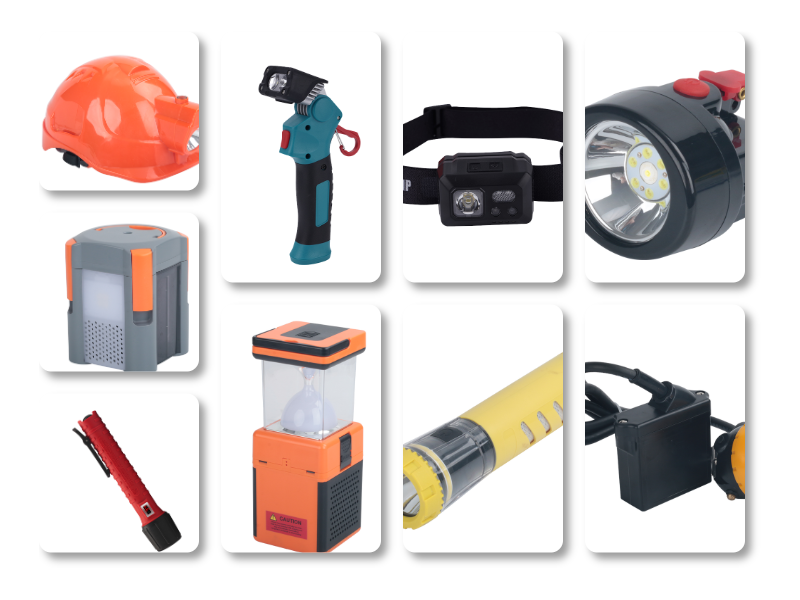
  • Explosion Proof Tactical Flashlight Tender China: A Comprehensive Guide

      In recent years, the demand for explosion-proof tactical flashlights has surged in China. These flashlights are specifically designed for use in hazardous environments where the risk of explosion is high. This article provides a comprehensive guide on explosion-proof tactical flashlight tenders in China, including their importance, types, and how to choose the right one.

      **Introduction**

      Explosion-proof tactical flashlights are essential tools for firefighters, oil rig workers, and other professionals who work in potentially explosive environments. These flashlights are designed to prevent the ignition of flammable gases or vapors, ensuring the safety of the user and those around them. In China, the government has implemented strict regulations to ensure the quality and safety of explosion-proof equipment, including tactical flashlights.

      **Importance of Explosion-Proof Tactical Flashlights**

      Explosion-proof tactical flashlights are crucial for several reasons:

      1. **Safety**: In hazardous environments, the risk of explosion is always present. Explosion-proof flashlights minimize this risk by preventing the ignition of flammable gases or vapors.
    2. **Efficiency**: These flashlights provide a reliable source of light, enabling users to perform their tasks effectively even in low-light conditions.
    3. **Durability**: Explosion-proof tactical flashlights are built to withstand harsh conditions, ensuring they remain functional when other lighting sources fail.

      **Types of Explosion-Proof Tactical Flashlights**

      There are several types of explosion-proof tactical flashlights available in China, each designed for specific applications:

      1. **Intrinsically Safe (IS) Flashlights**: These flashlights are designed to prevent the generation of sparks or heat that could ignite flammable gases or vapors.
    2. **Ex-proof (Exd) Flashlights**: These flashlights are encased in a explosion-proof housing, protecting the internal components from the hazardous environment.
    3. **Combination IS/Exd Flashlights**: These flashlights combine the features of both IS and Exd flashlights, providing enhanced safety and functionality.

      **Choosing the Right Explosion-Proof Tactical Flashlight**

      When selecting an explosion-proof tactical flashlight for your needs, consider the following factors:

      1. **Application**: Different environments require different types of explosion-proof flashlights. Ensure the flashlight you choose is suitable for your specific application.
    2. **Light Output**: Consider the brightness of the flashlight, as well as its beam pattern. A wider beam pattern is better for searching large areas, while a focused beam is ideal for precise tasks.
    3. **Battery Life**: Choose a flashlight with a long battery life to ensure you have a reliable source of light when needed.
    4. **Durability**: Look for flashlights with high-quality materials and construction, as they are more likely to withstand harsh conditions.
    5. **Certifications**: Ensure the flashlight meets the necessary safety standards and certifications, such as the CE mark or UL listing.

      **Conclusion**

      Explosion-proof tactical flashlights are essential tools for professionals working in hazardous environments. With the growing demand for these flashlights in China, it is crucial to understand the different types and how to choose the right one. By considering the factors mentioned in this article, you can ensure that you select a reliable and safe explosion-proof tactical flashlight for your needs.

    explosion proof tactical flashlight tender China

  • Long Term Latching Relay Supplier: A Comprehensive Guide to Choosing the Right Partner

      In today’s fast-paced industrial environment, the importance of reliable and high-quality components cannot be overstated. One such component is the latching relay, a crucial element in various industrial applications. When it comes to sourcing latching relays, partnering with a long-term supplier is essential for ensuring consistent quality, timely delivery, and cost-effectiveness. This article provides a comprehensive guide to help you choose the right long-term latching relay supplier.

      **Understanding Latching Relays**

      Before diving into the selection process, it’s important to have a clear understanding of what latching relays are and their applications. Latching relays are a type of electrical relay that remains in a latched state after being actuated, meaning they maintain their position even when the control signal is removed. This feature makes them ideal for applications where continuous power supply is required, such as in automation systems, security systems, and medical devices.

      **Key Considerations for a Long-Term Latching Relay Supplier**

      1. **Quality and Reliability**: The primary factor to consider when selecting a long-term latching relay supplier is the quality and reliability of their products. Ensure that the supplier adheres to international quality standards and has a reputation for producing high-quality latching relays.

      2. **Product Range**: A good supplier should offer a wide range of latching relays to cater to different applications and requirements. This includes various voltage ratings, contact ratings, and form factors.

      3. **Technical Support**: A reliable supplier should provide comprehensive technical support, including detailed product specifications, technical drawings, and application guidance. This ensures that you can make informed decisions when selecting and integrating latching relays into your systems.

      4. **Lead Time and Delivery**: Timely delivery is crucial, especially in time-sensitive projects. A long-term supplier should be able to provide consistent lead times and ensure on-time delivery of orders.

      5. **Cost-Effectiveness**: While quality is paramount, cost-effectiveness is also an important consideration. A reputable supplier should offer competitive pricing without compromising on the quality of their products.

      6. **Certifications and Compliance**: Ensure that the supplier’s products comply with relevant industry standards and certifications, such as CE, RoHS, and UL.

      **How to Find the Right Long-Term Latching Relay Supplier**

      1. **Research Online**: Start by conducting an online search for long-term latching relay suppliers. Look for suppliers with a strong presence in the industry, positive customer reviews, and a comprehensive product range.

      2. **Request Quotes**: Contact potential suppliers and request quotes for the specific latching relay models you need. Compare the prices, lead times, and other factors to identify the most suitable supplier.

      3. **Visit Trade Shows**: Attending industry trade shows can be an excellent way to meet potential suppliers and evaluate their products firsthand. It also provides an opportunity to network with other industry professionals.

      4. **Seek Recommendations**: Ask colleagues, industry peers, and suppliers for recommendations. Personal referrals can be a valuable source of information and help you identify reliable suppliers.

      5. **Evaluate Supplier Capabilities**: Once you have a shortlist of potential suppliers, evaluate their capabilities in terms of quality, reliability, technical support, and cost-effectiveness.

      **Conclusion**

      Choosing the right long-term latching relay supplier is essential for the success of your industrial projects. By considering factors such as quality, product range, technical support, lead time, cost-effectiveness, and certifications, you can make an informed decision and ensure that your projects are powered by reliable and high-quality latching relays.

    long term latching relay supplier

  • The Importance and Applications of Plumbing Flexible Couplings

      Plumbing flexible couplings are essential components in various plumbing systems, providing a reliable and versatile solution for connecting pipes. This article aims to explore the significance of plumbing flexible couplings, their applications, and the benefits they offer.

      The Significance of Plumbing Flexible Couplings

      Plumbing flexible couplings play a crucial role in ensuring the smooth operation of plumbing systems. These couplings are designed to connect two pipes or fittings, allowing for movement and flexibility while maintaining a secure seal. This flexibility is particularly important in situations where pipes are subject to movement due to expansion, vibration, or changes in temperature.

      One of the primary advantages of plumbing flexible couplings is their ability to absorb shock and vibration. This makes them ideal for use in industrial settings, where machinery and equipment can cause pipes to move or vibrate. By reducing the impact of these forces, flexible couplings help prevent pipe failures and damage to the surrounding infrastructure.

      Applications of Plumbing Flexible Couplings

      Plumbing flexible couplings are used in a wide range of applications across various industries. Some of the most common uses include:

      1. Residential plumbing: Flexible couplings are commonly used in residential plumbing systems to connect pipes and fixtures, such as water heaters, washing machines, and dishwashers. Their flexibility makes them ideal for situations where pipes may need to move or bend.

      2. Commercial plumbing: In commercial buildings, plumbing flexible couplings are used to connect pipes in kitchens, bathrooms, and other areas where fixtures may be moved or replaced.

      3. Industrial plumbing: Flexible couplings are widely used in industrial settings, where they help to protect pipelines from damage caused by machinery, equipment, and environmental conditions.

      4. Agricultural plumbing: In agricultural applications, flexible couplings are used to connect irrigation systems, water tanks, and other equipment, providing a durable and flexible solution for managing water supply.

      5. HVAC systems: Flexible couplings are also used in heating, ventilation, and air conditioning systems to connect pipes and components, allowing for movement and flexibility.

      Benefits of Plumbing Flexible Couplings

      There are several benefits to using plumbing flexible couplings:

      1. Reduced vibration and shock: By absorbing the impact of vibrations and shocks, flexible couplings help to protect pipes and fixtures from damage.

      2. Increased flexibility: Flexible couplings allow pipes to move and bend, making them suitable for a wide range of applications where traditional rigid connections may not be feasible.

      3. Easy installation and maintenance: Flexible couplings are relatively easy to install and maintain, saving time and resources for plumbers and facility managers.

      4. Improved performance: By providing a secure seal and reducing the risk of leaks, flexible couplings help to ensure the efficient operation of plumbing systems.

      5. Cost-effective: Flexible couplings are a cost-effective solution for connecting pipes, as they can be reused and are less prone to damage than rigid connections.

      Conclusion

      Plumbing flexible couplings are an essential component in a wide range of applications, providing a reliable and versatile solution for connecting pipes. Their ability to absorb shock and vibration, increased flexibility, and cost-effectiveness make them a valuable addition to any plumbing system. As the demand for efficient and durable plumbing solutions continues to grow, the importance of plumbing flexible couplings will only increase.

    plumbing flexible coupling

  • Hazardous Area Intrinsically Safe Tactical Solutions in China

      In the rapidly evolving landscape of industrial safety, the management of hazardous areas has become a critical concern. China, with its vast industrial sector, has been at the forefront of adopting innovative solutions to ensure the safety of workers in potentially explosive environments. This article delves into the concept of intrinsically safe tactical solutions in hazardous areas and their implementation in China.

      **Understanding Hazardous Areas**

      Hazardous areas are defined as environments where flammable gases, vapors, liquids, or dusts are present in sufficient quantities to ignite and cause an explosion. These areas are often found in industries such as oil and gas, chemical processing, and mining. The presence of these substances poses a significant risk to both human life and property.

      **Intrinsically Safe Technology**

      To mitigate the risks associated with hazardous areas, the concept of intrinsically safe technology has been developed. Intrinsically safe devices are designed to prevent the release of sufficient energy to cause an explosion. This is achieved by limiting the energy available to the system, ensuring that even in the event of a fault, the energy released is insufficient to ignite the explosive atmosphere.

      **Tactical Solutions in China**

      China has made significant strides in the development and implementation of intrinsically safe tactical solutions. The following are some key aspects of these solutions:

      1. **Regulatory Framework**: The Chinese government has established stringent regulations governing the use of intrinsically safe equipment in hazardous areas. These regulations are designed to ensure that all equipment used in such environments meets the necessary safety standards.

      2. **Research and Development**: Chinese companies have been actively involved in research and development of intrinsically safe technologies. This has led to the creation of innovative solutions that are both effective and cost-efficient.

      3. **Training and Awareness**: Recognizing the importance of human error in hazardous areas, China has placed a strong emphasis on training and awareness programs. These programs aim to educate workers about the risks associated with hazardous areas and how to use intrinsically safe equipment safely.

      4. **Collaboration with International Partners**: China has collaborated with international companies and organizations to enhance its capabilities in the field of intrinsically safe technology. This has facilitated the transfer of knowledge and expertise, leading to further advancements in the field.

      **Challenges and Opportunities**

      Despite the progress made, there are still challenges to be addressed. One of the main challenges is the cost of implementing intrinsically safe solutions. However, with the increasing emphasis on safety in the industrial sector, the cost is expected to decrease over time.

      Another opportunity lies in the integration of digital technologies, such as the Internet of Things (IoT), into intrinsically safe systems. This integration can provide real-time monitoring and predictive maintenance, further enhancing safety in hazardous areas.

      **Conclusion**

      The adoption of intrinsically safe tactical solutions in hazardous areas is a crucial step towards ensuring the safety of workers in potentially explosive environments. China’s commitment to research, development, and implementation of these solutions is commendable. As the country continues to evolve in this field, it is likely to serve as a model for other nations seeking to improve safety in their own industrial sectors.

    hazardous area intrinsically safe tactical China

  • Latching Relay for Project Purchase: A Comprehensive Guide

      In the world of electronics and automation, selecting the right components for a project is crucial. One such component that often goes unnoticed but plays a significant role is the latching relay. This article aims to provide a comprehensive guide on latching relays for project purchase, covering their basics, applications, and factors to consider when making a purchase.

      ### Understanding Latching Relays

      Latching relays are a type of relay that remains in a latched state even after the control signal is removed. Unlike conventional relays that require continuous power to maintain their state, latching relays can be used to create circuits that remain active without constant power supply. This feature makes them ideal for applications where energy efficiency and reliability are critical.

      ### Types of Latching Relays

      There are primarily two types of latching relays: mechanical latching relays and solid-state latching relays.

      **Mechanical Latching Relays**: These relays use mechanical switches to maintain their latched state. They are available in various forms, such as SPDT (Single Pole, Double Throw) and DPDT (Double Pole, Double Throw) configurations. Mechanical latching relays are durable and have a long lifespan but can be larger and heavier than their solid-state counterparts.

      **Solid-State Latching Relays**: These relays use semiconductor devices to maintain their latched state. They are compact, lightweight, and have a longer lifespan than mechanical relays. However, they can be more expensive and may require specific circuitry to operate.

      ### Applications of Latching Relays

      Latching relays find applications in various fields, including industrial automation, home automation, and consumer electronics. Some common applications include:

      **1. Industrial Automation**: Latching relays are used in industrial automation to control machinery and processes, such as conveyor systems, assembly lines, and robotics. Their ability to maintain a latched state without continuous power makes them ideal for these applications.

      **2. Home Automation**: Latching relays are used in home automation systems to control lighting, heating, and cooling systems. They can be used to create scenes, such as “evening mode,” where lights and appliances can be turned on and off simultaneously.

      **3. Consumer Electronics**: Latching relays are used in consumer electronics to control devices such as audio equipment, gaming consoles, and appliances. They can be used to create push-button switches that maintain their state even after the button is released.

      ### Factors to Consider When Purchasing a Latching Relay

      When purchasing a latching relay for your project, there are several factors to consider to ensure that you select the right relay for your needs:

      **1. Voltage and Current Ratings**: Ensure that the relay’s voltage and current ratings match the requirements of your application. This will ensure that the relay can handle the load without overheating or failing.

      **2. Contact Configuration**: Choose the contact configuration that best suits your application. SPDT and DPDT configurations are the most common, but other configurations may be available depending on your requirements.

      **3. Control Signal Type**: Latching relays can be controlled using various types of signals, such as DC, AC, or digital signals. Ensure that the relay you choose can be controlled using the signal type you plan to use.

      **4. Size and Mounting**: Consider the size and mounting of the relay to ensure that it fits within your project’s design constraints.

      ### Conclusion

      Latching relays are a valuable component for various applications, offering energy efficiency and reliability. By understanding the basics of latching relays, their types, applications, and factors to consider when purchasing, you can make an informed decision for your project. Whether you’re working on an industrial automation project, home automation system, or consumer electronics device, a latching relay can be an essential component to add to your toolkit.

    latching relay for project purchase

  • Flexible Pipe Coupling: The Versatile stainless steel Solution for Modern Plumbing

      Flexible pipe couplings have become an integral part of modern plumbing systems, offering numerous advantages over traditional rigid connections. Among the various materials used to manufacture these couplings, stainless steel stands out for its exceptional strength, durability, and resistance to corrosion. This article explores the benefits of flexible pipe couplings made from stainless steel, their applications, and why they are the preferred choice for many professionals in the plumbing industry.

      The Evolution of Pipe Couplings

      Historically, plumbing systems relied on rigid pipe connections that were susceptible to leaks, noises, and vibrations. The introduction of flexible pipe couplings revolutionized the industry, providing a more reliable and efficient alternative. These couplings are designed to absorb vibrations and compensate for minor movements in the piping system, thereby reducing the risk of leaks and damage.

      Stainless Steel: The Superior Material

      Flexible pipe couplings are available in various materials, including rubber, plastic, and stainless steel. However, stainless steel has emerged as the material of choice due to its unique properties. Here are some of the key advantages of stainless steel flexible pipe couplings:

      1. Corrosion Resistance: Stainless steel is highly resistant to corrosion, making it an ideal material for use in environments where exposure to moisture and chemicals is common. This property ensures that the coupling remains durable and functional for an extended period.

      2. Strength and Durability: The high tensile strength of stainless steel ensures that the coupling can withstand the pressure and stress exerted by the fluid flowing through the pipe. This durability translates into a longer lifespan for the coupling, reducing maintenance costs and the need for frequent replacements.

      3. Hygiene: Stainless steel is a non-porous material that is easy to clean and sanitize. This property makes it an excellent choice for plumbing systems in healthcare facilities, food processing plants, and other industries where hygiene is of paramount importance.

      4. Versatility: Stainless steel flexible pipe couplings are available in various sizes, shapes, and designs, making them suitable for a wide range of applications. They can be used in residential, commercial, and industrial plumbing systems, as well as in HVAC and fire protection systems.

      Applications of Stainless Steel Flexible Pipe Couplings

      Stainless steel flexible pipe couplings find applications in various industries and environments, including:

      1. Residential Plumbing: These couplings are commonly used in residential plumbing systems to connect pipes in kitchens, bathrooms, and laundry rooms. They provide a secure and leak-proof connection, ensuring the smooth flow of water.

      2. Commercial Buildings: Stainless steel flexible pipe couplings are used in commercial buildings to connect water supply and drainage pipes, as well as in HVAC systems. Their durability and resistance to corrosion make them ideal for these applications.

      3. Industrial Plants: In industrial settings, stainless steel flexible pipe couplings are used in process piping systems, where they help maintain the integrity of the piping network and prevent leaks and damage.

      4. Healthcare Facilities: These couplings are widely used in healthcare facilities, such as hospitals and clinics, to connect medical gas and water supply lines. Their corrosion resistance and hygiene properties ensure the safety and well-being of patients and staff.

      Conclusion

      Flexible pipe couplings made from stainless steel offer numerous advantages over traditional rigid connections. Their corrosion resistance, strength, durability, and versatility make them an excellent choice for various plumbing applications. As the plumbing industry continues to evolve, stainless steel flexible pipe couplings will undoubtedly remain a preferred solution for professionals seeking reliable and efficient connections.

    flexible pipe coupling stainless steel

  • Portable High Lumen Tactical Light China: A Game-Changer for Outdoor Enthusiasts

      In the world of outdoor activities, having a reliable and powerful light source is crucial. This is where the portable high lumen tactical light from China comes into play. Known for its exceptional brightness and durability, this light has become a game-changer for outdoor enthusiasts worldwide. In this article, we will explore the features, benefits, and why the portable high lumen tactical light from China is a must-have for anyone venturing into the wilderness.

      **Introduction**

      The demand for high-quality, portable lighting solutions has been on the rise, especially among outdoor enthusiasts, law enforcement personnel, and military professionals. These individuals require a light source that is not only bright but also durable and easy to carry. China, with its advanced manufacturing capabilities, has emerged as a leading producer of portable high lumen tactical lights. These lights have gained popularity due to their superior performance and affordability.

      **Features of Portable High Lumen Tactical Light China**

      1. **High Lumen Output**: The primary feature of these tactical lights is their high lumen output. With lumens ranging from 500 to 3000, these lights can illuminate even the darkest environments with ease. This makes them ideal for camping, hunting, and search and rescue operations.

      2. **Waterproof and Dustproof**: These tactical lights are designed to withstand harsh weather conditions. They are waterproof up to a certain depth and dustproof, ensuring that they remain functional even in challenging environments.

      3. **Long Battery Life**: One of the key advantages of these lights is their long battery life. With rechargeable batteries and energy-efficient LED technology, these lights can provide hours of continuous use, making them perfect for extended outdoor adventures.

      4. **Multiple Modes**: These tactical lights come with multiple modes, including high, medium, low, and strobe. This allows users to adjust the brightness according to their needs, whether they are searching for an object in the dark or signaling for help.

      5. **Compact and Lightweight**: Despite their powerful output, these tactical lights are compact and lightweight, making them easy to carry in a pocket, on a helmet, or attached to a weapon.

      **Benefits of Using Portable High Lumen Tactical Light China**

      1. **Enhanced Safety**: The high brightness of these lights ensures that users can see clearly in the dark, reducing the risk of accidents and injuries.

      2. **Versatility**: These lights can be used for a wide range of activities, from camping and hiking to hunting and law enforcement.

      3. **Affordability**: Despite their high-quality construction and advanced features, these tactical lights are surprisingly affordable, making them accessible to a wide audience.

      4. **Durability**: The robust design of these lights ensures that they can withstand drops, impacts, and exposure to the elements, making them a reliable choice for long-term use.

      **Conclusion**

      The portable high lumen tactical light from China has revolutionized the way we approach outdoor activities. With its exceptional brightness, durability, and affordability, this light has become an essential tool for anyone venturing into the wilderness. Whether you are a seasoned outdoor enthusiast or a law enforcement professional, investing in a high-quality tactical light is a wise decision. The portable high lumen tactical light from China is a game-changer that you won’t want to miss.

    portable high lumen tactical light China

  • Custom Latching Relay Quote: Unlocking the Potential of Relay Technology

      In today’s fast-paced technological world, the demand for efficient and reliable relay solutions is on the rise. One such solution that has gained significant attention is the custom latching relay. This article delves into the concept of custom latching relay quote and explores its potential applications across various industries.

      ### Introduction

      Relays are electrical devices that use an electromagnet to switch electrical circuits on or off. They are widely used in various applications, including industrial automation, automotive, and consumer electronics. Latching relays, in particular, provide a unique advantage over traditional relays by maintaining their state even after the power source is removed. This feature makes them highly desirable in applications where power conservation and reliability are crucial.

      ### What is a Custom Latching Relay?

      A custom latching relay is a specialized relay designed to meet the specific requirements of an application. Unlike standard latching relays, which are available off-the-shelf, custom latching relays are tailored to fit the exact specifications needed for a particular project. This customization can include various factors such as voltage, current, contact arrangement, and size.

      ### Benefits of Custom Latching Relay

      1. **Improved Reliability**: Custom latching relays are designed to meet the specific needs of an application, which often results in higher reliability. By selecting the right components and materials, manufacturers can create a relay that is less prone to failure, ensuring uninterrupted operation.

      2. **Energy Efficiency**: Latching relays consume less power compared to traditional relays. This is because they maintain their state even when the power source is removed, eliminating the need for continuous power consumption to maintain the relay’s position.

      3. **Space Optimization**: Custom latching relays can be designed to occupy minimal space, making them ideal for applications with limited space, such as in compact industrial machinery or consumer electronics.

      4. **Customization**: The ability to customize latching relays allows designers to create a solution that perfectly fits their application’s requirements. This can lead to improved performance, reduced costs, and increased efficiency.

      ### Applications of Custom Latching Relay

      1. **Industrial Automation**: Custom latching relays are extensively used in industrial automation for controlling various processes. They provide a reliable and energy-efficient solution for switching high currents and voltages in industrial machinery.

      2. **Automotive Industry**: The automotive industry relies on custom latching relays for applications such as power windows, door locks, and other electrical systems. Their ability to maintain their state even after power loss ensures a smooth and uninterrupted operation.

      3. **Consumer Electronics**: Custom latching relays are used in consumer electronics to provide a reliable switching solution for various applications, such as remote controls, gaming devices, and smart home systems.

      ### Conclusion

      In conclusion, the custom latching relay quote represents a significant advancement in relay technology. By offering a highly customizable, energy-efficient, and reliable solution, custom latching relays are poised to play a crucial role in various industries. As the demand for innovative relay solutions continues to grow, the importance of custom latching relay quote will only increase.

    custom latching relay quote