Blog

  • China: The Leading Exporter of Explosion Proof LED Tactical Flashlights

      In the world of specialized lighting solutions, explosion-proof LED tactical flashlights stand out for their unique ability to operate in hazardous environments. Among the global leaders in this niche market, China has emerged as the preeminent exporter of explosion-proof LED tactical flashlights. This article delves into the reasons behind China’s dominance in this sector, the technology driving these flashlights, and their impact on various industries.

      **The Rise of China as an Exporter**

      China’s rise as an exporter of explosion-proof LED tactical flashlights can be attributed to several factors. Firstly, the country’s robust manufacturing sector, coupled with its skilled workforce, has allowed for the production of high-quality, cost-effective products. Additionally, the Chinese government’s focus on technological innovation and export-oriented policies has further propelled the growth of this industry.

      **Innovative Technology**

      At the heart of these explosion-proof LED tactical flashlights is cutting-edge technology. These flashlights are designed to operate in environments where traditional lighting solutions are inadequate or unsafe. They feature advanced LED lighting technology, which provides a bright, focused beam of light while consuming minimal power. This makes them ideal for use in oil refineries, chemical plants, and other hazardous areas.

      One of the key technologies employed in these flashlights is the intrinsic safety design. This design ensures that the flashlight cannot generate enough energy to ignite flammable gases or dust particles in the air, making it a safe choice for use in potentially explosive environments.

      **Applications Across Industries**

      The demand for explosion-proof LED tactical flashlights has surged across various industries. In the oil and gas sector, these flashlights are crucial for workers who need to perform maintenance and inspections in potentially hazardous areas. Similarly, in the chemical industry, they are essential for safely navigating through environments where flammable substances are present.

      Moreover, explosion-proof LED tactical flashlights have found their way into emergency response teams, providing them with a reliable source of light during rescue operations in hazardous conditions. Their durability and long-lasting battery life make them an indispensable tool for first responders.

      **Quality and Certification**

      To ensure that these flashlights meet the highest safety standards, Chinese manufacturers adhere to stringent quality control measures. These products are certified by recognized authorities, such as the International Electrotechnical Commission (IEC) and the National Electrical Manufacturers Association (NEMA), guaranteeing their safety and reliability.

      **Competitive Pricing**

      One of the key advantages of China as an exporter of explosion-proof LED tactical flashlights is its competitive pricing. The country’s efficient manufacturing processes and economies of scale enable it to offer these flashlights at a fraction of the cost of similar products from other countries.

      **Conclusion**

      In conclusion, China’s position as the leading exporter of explosion-proof LED tactical flashlights is a testament to the country’s commitment to technological innovation, quality, and affordability. As the demand for these flashlights continues to grow across various industries, it is evident that China will remain a dominant player in this niche market for years to come.
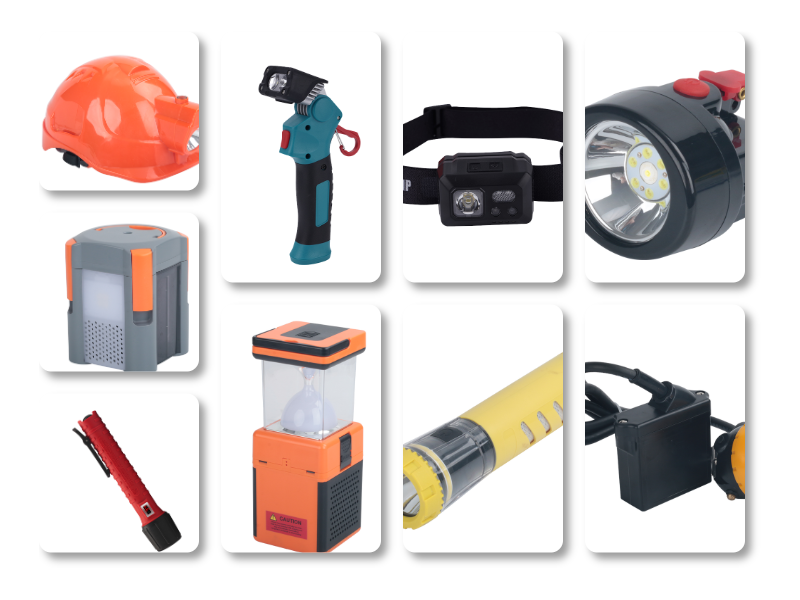

    China explosion proof LED tactical flashlight exporter

  • The Evolution and Importance of Relay Manufacturing

      Relay manufacturing has been a crucial component in the development of electrical and electronic systems for over a century. This article delves into the evolution of relay manufacturing, its significance in modern technology, and the future prospects of this industry.

      The History of Relay Manufacturing

      The concept of the relay, a device that uses an electromagnet to open or close an electrical circuit, dates back to the early 19th century. However, it was not until the late 19th century that relay manufacturing began to gain momentum. The first commercial relays were produced in the late 1800s, and they played a vital role in the development of telegraph systems.

      As the 20th century progressed, relay manufacturing evolved significantly. The introduction of new materials, such as beryllium copper and silver, improved the performance and reliability of relays. Additionally, advancements in manufacturing processes, such as stamping and etching, allowed for the production of smaller, more efficient relays.

      The Significance of Relay Manufacturing in Modern Technology

      Today, relay manufacturing is essential in various industries, including automotive, aerospace, telecommunications, and consumer electronics. Relays are used in a wide range of applications, such as:

      1. Control systems: Relays are used to control the flow of electricity in various devices and systems, such as switches, motors, and transformers.
    2. Automation: In the automation industry, relays are used to control the operation of machinery and equipment, improving efficiency and reducing downtime.
    3. Telecommunications: Relays are used in telecommunication systems to route and switch calls, ensuring seamless communication.
    4. Consumer electronics: Relays are used in various consumer electronics devices, such as computers, smartphones, and televisions, to control power and signal flow.

      The Future of Relay Manufacturing

      As technology continues to advance, the demand for high-performance, reliable relays will only increase. The following trends are shaping the future of relay manufacturing:

      1. Miniaturization: The trend towards smaller, more efficient devices has led to the development of miniaturized relays, which offer improved performance and reduced power consumption.
    2. Energy efficiency: With the growing emphasis on sustainability, relay manufacturers are focusing on developing energy-efficient relays that minimize power losses.
    3. Smart relays: The integration of sensors and microcontrollers into relays has led to the development of smart relays, which offer enhanced functionality and better control over electrical systems.

      Conclusion

      Relay manufacturing has come a long way since its inception. From the early days of telegraph systems to the cutting-edge technologies of today, relays have played a vital role in the development of electrical and electronic systems. As the industry continues to evolve, relay manufacturing will remain a crucial component in the advancement of technology and innovation.

    Relay manufacturing

  • Wiring Duct for Rail Transit: The Backbone of Modern Urban Transportation

      The development of rail transit has been pivotal in shaping the urban landscape of modern cities. As these cities continue to grow, the demand for efficient, reliable, and sustainable transportation systems has become more pronounced. One of the key components of rail transit infrastructure is the wiring duct, which plays a crucial role in ensuring the smooth operation of trains. This article explores the significance of wiring ducts for rail transit and highlights their design, installation, and maintenance aspects.

      **Introduction**

      Rail transit systems, such as subways, light rail, and trams, have become an integral part of urban transportation networks worldwide. These systems offer numerous benefits, including reduced traffic congestion, lower greenhouse gas emissions, and improved accessibility for commuters. However, the seamless operation of rail transit relies heavily on the efficient management of electrical systems, which is where wiring ducts come into play.

      **The Role of Wiring Ducts in Rail Transit**

      Wiring ducts are specialized conduits designed to house electrical cables and wires that supply power to various components of the rail transit system. These ducts are typically installed along the track and in tunnels, providing a secure and organized way to route electrical cables. The primary functions of wiring ducts in rail transit include:

      1. **Power Supply**: Wiring ducts ensure a continuous and stable power supply to train control systems, signaling equipment, and other critical components.
    2. **Safety**: By containing electrical cables in a controlled environment, wiring ducts minimize the risk of accidents caused by exposed wires or cable damage.
    3. **Flexibility**: Wiring ducts allow for easy modifications and upgrades to the electrical system, accommodating the growing needs of rail transit networks.
    4. **Reliability**: The use of high-quality materials and robust design ensures that wiring ducts can withstand the harsh conditions of urban environments, such as temperature fluctuations, moisture, and vibration.

      **Design of Wiring Ducts**

      The design of wiring ducts for rail transit is a complex process that involves several factors. Some key considerations include:

      1. **Material**: Wiring ducts are typically made from materials such as polyvinyl chloride (PVC), high-density polyethylene (HDPE), or stainless steel, depending on the specific requirements of the project.
    2. **Size**: The size of the ducts must be adequate to accommodate the electrical cables and allow for future expansion.
    3. **Layout**: The layout of the ducts must be carefully planned to ensure that cables are routed efficiently and without unnecessary bends or twists.
    4. **Accessibility**: Ducts should be designed to allow easy access for maintenance and repair work.

      **Installation and Maintenance of Wiring Ducts**

      The installation of wiring ducts for rail transit requires specialized equipment and expertise. Some key steps in the installation process include:

      1. **Excavation**: Excavating the necessary trenches or tunnels for the ducts.
    2. **Laying the Ducts**: Carefully placing the ducts in the trenches or tunnels, ensuring proper alignment and support.
    3. **Cable Routing**: Routing the electrical cables through the ducts and connecting them to the appropriate equipment.
    4. **Backfilling**: Filling the trenches or tunnels with soil, ensuring that the ducts are securely in place.

      Maintenance of wiring ducts is essential to ensure the continued reliability of the rail transit system. Regular inspections, cleaning, and repairs are necessary to prevent cable damage and maintain the integrity of the electrical system.

      **Conclusion**

      Wiring ducts for rail transit are an essential component of modern urban transportation systems. Their design, installation, and maintenance play a crucial role in ensuring the efficiency, safety, and reliability of rail transit networks. As cities continue to grow and the demand for sustainable transportation systems increases, the importance of wiring ducts will only become more significant.

    wiring duct for rail transit

  • Intrinsically Safe Emergency Work Light Bulk China: A Comprehensive Guide

      In today’s fast-paced world, safety is a paramount concern, especially in industries where hazardous environments are prevalent. One such essential tool that ensures safety during emergencies is the intrinsically safe emergency work light. This article aims to provide a comprehensive guide on intrinsically safe emergency work lights in bulk from China, highlighting their features, benefits, and how to choose the right one for your needs.

      **Introduction**

      Emergency situations can arise at any time, and having a reliable emergency work light is crucial. In potentially explosive environments, such as oil refineries, chemical plants, and mining sites, the use of intrinsically safe equipment is mandatory to prevent accidents and ensure the safety of workers. China, being a leading manufacturer of electrical equipment, offers a wide range of intrinsically safe emergency work lights in bulk, catering to the global market.

      **What is an Intrinsically Safe Emergency Work Light?**

      An intrinsically safe emergency work light is designed to prevent the ignition of flammable gases, vapors, or dust in hazardous environments. These lights are engineered with specific safety features that limit the energy available to ignite a spark, making them ideal for use in areas where the risk of explosion is high.

      **Features of Intrinsically Safe Emergency Work Lights**

      1. **Energy-Limiting Design**: These lights are designed to limit the energy output to a level that cannot ignite flammable substances.
    2. **Impact-Resistant Construction**: The housing of these lights is made from durable materials that can withstand harsh conditions and impact.
    3. **Long-Life Batteries**: Intrinsically safe emergency work lights are equipped with long-life batteries that provide hours of illumination during power outages.
    4. **Water-Resistant**: These lights are designed to be water-resistant, ensuring they can be used in wet environments without the risk of short-circuiting.
    5. **Easy to Install and Maintain**: These lights are designed for easy installation and maintenance, making them a convenient choice for various applications.

      **Benefits of Buying Intrinsically Safe Emergency Work Lights in Bulk from China**

      1. **Cost-Effective**: Purchasing intrinsically safe emergency work lights in bulk from China can significantly reduce the cost per unit, making them an affordable option for businesses.
    2. **Wide Range of Options**: China offers a vast range of intrinsically safe emergency work lights, catering to different needs and budgets.
    3. **Quality Assurance**: Chinese manufacturers adhere to strict quality standards, ensuring that the lights are reliable and durable.
    4. **Fast Delivery**: With efficient logistics systems, Chinese manufacturers can deliver bulk orders quickly to customers worldwide.

      **How to Choose the Right Intrinsically Safe Emergency Work Light in Bulk from China**

      1. **Identify Your Needs**: Determine the specific requirements of your application, such as the intensity of light, runtime, and environmental conditions.
    2. **Research Manufacturers**: Look for reputable manufacturers with a proven track record in producing high-quality intrinsically safe emergency work lights.
    3. **Compare Prices and Specifications**: Compare the prices and specifications of different models to find the best value for your money.
    4. **Check for Certifications**: Ensure that the lights comply with international safety standards, such as IECEx, ATEX, and UL.

      **Conclusion**

      Intrinsically safe emergency work lights in bulk from China offer a cost-effective and reliable solution for ensuring safety in hazardous environments. By understanding the features, benefits, and how to choose the right lights, businesses can make informed decisions and prioritize the safety of their workers.

    intrinsically safe emergency work light bulk China

  • Unveiling the World of Relay Suppliers: A Comprehensive Guide

      In today’s rapidly evolving technological landscape, the role of relay suppliers has become increasingly significant. Relays are essential components in various electronic devices, ensuring the smooth functioning of circuits and systems. This article aims to provide a comprehensive guide to relay suppliers, highlighting their importance, the types of relays available, and how to choose the right supplier for your needs.

      **The Importance of Relay Suppliers**

      Relay suppliers play a crucial role in the electronics industry. They provide the necessary components that enable the control and automation of electrical systems. From household appliances to industrial machinery, relays are integral to the operation of countless devices. The quality and reliability of these components directly impact the performance and lifespan of the final product.

      **Types of Relays Available**

      The relay market offers a wide range of options to cater to various applications. Here are some of the most common types of relays:

      1. **Magnetic Latching Relays**: These relays use magnetic fields to maintain their state even after the power source is disconnected. They are ideal for applications requiring quick response times and minimal power consumption.

      2. **Solid State Relays (SSRs)**: SSRs use semiconductor devices like transistors or thyristors instead of mechanical contacts. They offer advantages such as faster switching times, lower noise levels, and longer lifespan.

      3. **Miniature Relays**: These relays are compact and designed for space-constrained applications. They are commonly used in consumer electronics, automotive systems, and industrial control panels.

      4. **High-Current Relays**: High-current relays are designed to handle large amounts of current, making them suitable for heavy-duty applications such as motor control and power distribution.

      5. **Industrial Relays**: Industrial relays are built to withstand harsh environments and are commonly used in manufacturing, processing, and automation systems.

      **Choosing the Right Relay Supplier**

      Selecting the right relay supplier is crucial to ensure the quality and reliability of your products. Here are some factors to consider when choosing a relay supplier:

      1. **Experience and Reputation**: Look for suppliers with a proven track record and a strong reputation in the industry. Experience allows suppliers to understand the specific needs of their clients and provide tailored solutions.

      2. **Product Range**: Ensure that the supplier offers a wide range of relays to meet your diverse requirements. A comprehensive product portfolio allows you to find the perfect relay for your application.

      3. **Quality Assurance**: Reliable suppliers adhere to strict quality control measures to ensure that their products meet industry standards. Look for suppliers with certifications such as ISO 9001 or ISO 14001.

      4. **Customer Support**: Good customer support is essential, especially when dealing with complex relay applications. Choose a supplier that offers responsive and knowledgeable support.

      5. **Pricing and Delivery**: Compare pricing and delivery options from different suppliers to ensure you get the best value for your money. However, remember that the cheapest option may not always be the best choice in terms of quality and reliability.

      **Conclusion**

      Relay suppliers are essential partners in the electronics industry, providing the components that enable the operation of countless devices. By understanding the different types of relays available and considering factors such as experience, product range, and customer support, you can choose the right supplier to meet your needs. Investing in quality relays and reliable suppliers will ensure the performance and longevity of your products, ultimately leading to customer satisfaction and business success.

    Relay suppliers

  • Wiring Duct for Power Distribution Panels: A Comprehensive Guide

      Wiring duct for power distribution panels is a critical component in any electrical system. It not only ensures the safe and efficient distribution of electrical power but also contributes to the overall aesthetics and organization of the electrical installation. This comprehensive guide will delve into the importance of wiring ducts, their types, installation methods, and maintenance practices.

      **Introduction**

      Electrical power distribution panels are the heart of any building’s electrical system. They receive electrical power from the main power source and distribute it to various parts of the building. To facilitate this process, wiring ducts are used to protect and route electrical wires. These ducts are essential for ensuring the safety and reliability of the electrical system.

      **Importance of Wiring Ducts**

      1. **Safety**: Wiring ducts protect electrical wires from external factors such as moisture, dust, and physical damage. This reduces the risk of electrical fires and other hazards.
    2. **Organization**: Properly installed wiring ducts help in organizing electrical wires, making it easier to trace and maintain the electrical system.
    3. **Aesthetics**: Well-installed wiring ducts contribute to the overall appearance of the electrical installation, making it more visually appealing.
    4. **Ease of Maintenance**: With organized and protected wires, maintenance tasks become more manageable and less time-consuming.

      **Types of Wiring Ducts**

      1. **Metallic Ducts**: These are made of materials like steel, aluminum, and copper. They are durable and provide excellent protection against fire and physical damage.
    2. **Non-Metallic Ducts**: These are made of materials like PVC, polyethylene, and polypropylene. They are lightweight, flexible, and suitable for use in areas where metallic ducts are not allowed.
    3. **Conduit Bends**: These are used to route wires around corners and other obstacles.
    4. **Conduit Boxes**: These are used to terminate wires and provide a connection point for different conduits.

      **Installation Methods**

      1. **Surface Mounting**: This method involves attaching the wiring duct to the surface of walls or ceilings. It is suitable for small installations and areas where aesthetics are not a concern.
    2. **Concealed Installation**: This method involves embedding the wiring duct in walls or ceilings. It provides a cleaner and more organized appearance but requires more planning and work.
    3. **Trunking**: This method involves using a series of interconnected conduits to route wires from the power distribution panel to various parts of the building.

      **Maintenance Practices**

      1. **Regular Inspection**: Regularly inspect the wiring ducts for signs of damage or wear. Look for cracks, dents, or loose connections.
    2. **Cleaning**: Keep the wiring ducts clean to prevent the accumulation of dust and debris, which can interfere with the flow of electricity.
    3. **Replacement**: Replace any damaged or worn-out wiring ducts immediately to prevent potential hazards.

      **Conclusion**

      Wiring ducts for power distribution panels play a crucial role in ensuring the safety, efficiency, and aesthetics of electrical installations. By understanding the different types of wiring ducts, installation methods, and maintenance practices, you can ensure that your electrical system operates smoothly and safely.

    wiring duct for power distribution panels

  • Hazardous Area Portable Tactical Lighting Wholesale in China: A Comprehensive Guide

      In recent years, the demand for hazardous area portable tactical lighting has surged, particularly in China. As one of the world’s largest markets for industrial equipment, China offers a vast array of options for wholesale buyers looking for high-quality and cost-effective solutions. This article aims to provide a comprehensive guide to hazardous area portable tactical lighting wholesale in China, covering various aspects such as types, regulations, suppliers, and the benefits of purchasing in this market.

      **Types of Hazardous Area Portable Tactical Lighting**

      Hazardous area portable tactical lighting refers to lighting equipment designed for use in environments where flammable gases, vapors, or dust may be present. These environments are classified as hazardous areas according to the International Electrotechnical Commission (IEC) standards. In China, there are mainly two types of hazardous area portable tactical lighting:

      1. Intrinsically Safe (IS) Lighting: This type of lighting is designed to prevent the creation of an ignition source within a hazardous area. It achieves this by limiting the energy levels of its electrical components to below the ignition threshold.

      2. explosion-proof lighting: Explosion-proof lighting is designed to prevent the propagation of an explosion inside a hazardous area. It achieves this by enclosing the electrical components in a robust, explosion-proof housing.

      **Regulations and Standards**

      China has strict regulations and standards governing the use of hazardous area lighting. The key regulatory bodies are the General Administration of Work Safety (GWAS) and the China Compulsory Certification (CCC) system. When purchasing hazardous area portable tactical lighting in China, it is essential to ensure that the products comply with the following standards:

      1. GB/T 21431-2008: Intrinsic Safety Lighting Equipment

      2. GB 3836.1-2010: Explosion-Proof Lighting Equipment

      **Suppliers of Hazardous Area Portable Tactical Lighting in China**

      China has numerous manufacturers and suppliers of hazardous area portable tactical lighting. Here are some factors to consider when selecting a supplier:

      1. Reputation and experience: Choose a supplier with a good reputation and extensive experience in the industry.

      2. Product quality: Ensure that the supplier’s products meet the relevant regulations and standards.

      3. Price and delivery: Compare the prices and delivery terms of different suppliers to find the best deal.

      4. After-sales service: Check the supplier’s after-sales service policy, including warranty, technical support, and repair services.

      **Benefits of Purchasing Hazardous Area Portable Tactical Lighting in China**

      1. Cost-effectiveness: China is known for its competitive pricing, offering high-quality products at lower costs compared to other markets.

      2. Wide product range: Chinese suppliers offer a vast array of hazardous area portable tactical lighting options, catering to various needs and budgets.

      3. Fast delivery: Chinese suppliers can deliver products quickly, thanks to the country’s advanced logistics infrastructure.

      4. Strong local support: When purchasing from a Chinese supplier, you can expect strong local support, including after-sales service and technical assistance.

      In conclusion, hazardous area portable tactical lighting wholesale in China offers numerous benefits, including cost-effectiveness, a wide product range, and strong local support. However, it is crucial to conduct thorough research and due diligence to ensure that you choose a reputable supplier and compliant products. By following the guidelines outlined in this article, you can make an informed decision when purchasing hazardous area portable tactical lighting in China.

    hazardous area portable tactical lighting wholesale in China

  • Relay Wholesale: Your Ultimate Destination for Quality and Variety

      In the ever-evolving world of retail, finding a reliable and diverse supplier is crucial for any business. Relay Wholesale stands out as a beacon of excellence in the industry, offering a vast array of products and unparalleled customer service. This article delves into the reasons why Relay Wholesale is the ultimate destination for businesses seeking quality and variety.

      **Introduction**

      The importance of a reliable wholesale supplier cannot be overstated. It is the backbone of any successful retail venture. Relay Wholesale has earned its reputation as a top-tier supplier by consistently delivering high-quality products and exceptional service. With a vast inventory and a commitment to customer satisfaction, Relay Wholesale has become the go-to destination for businesses of all sizes.

      **A Wide Range of Products**

      One of the standout features of Relay Wholesale is its extensive product selection. Whether you are looking for clothing, electronics, home goods, or beauty products, Relay Wholesale has got you covered. The variety is impressive, catering to different market segments and ensuring that customers can find exactly what they need.

      The product range is regularly updated to keep up with the latest trends and consumer demands. This commitment to staying current means that businesses can rely on Relay Wholesale to offer the most sought-after items in the market.

      **Quality Assurance**

      Relay Wholesale is renowned for its stringent quality control measures. Each product undergoes a thorough inspection before it is shipped to customers. This ensures that only the best products reach the end consumer. The company’s dedication to quality has earned it a loyal customer base and a strong reputation in the industry.

      **Competitive Pricing**

      In the competitive world of wholesale, pricing is a crucial factor. Relay Wholesale offers competitive prices without compromising on quality. The company negotiates directly with manufacturers to secure the best deals, allowing it to pass on the savings to its customers. This makes Relay Wholesale an affordable option for businesses looking to maximize their profits.

      **Excellent Customer Service**

      Customer service is at the heart of Relay Wholesale’s business model. The company understands that a satisfied customer is a repeat customer. That’s why Relay Wholesale goes the extra mile to ensure that all inquiries and concerns are addressed promptly and efficiently.

      The customer service team is knowledgeable, friendly, and always ready to assist. Whether you need help with an order, product information, or general inquiries, Relay Wholesale is there to support you every step of the way.

      **Sustainability and Ethical Practices**

      Relay Wholesale is committed to sustainability and ethical practices. The company sources products from manufacturers who adhere to environmentally friendly and socially responsible practices. This not only ensures that customers receive high-quality products but also contributes to a healthier planet.

      **Conclusion**

      In conclusion, Relay Wholesale is the ultimate destination for businesses seeking quality and variety. With its extensive product range, exceptional customer service, competitive pricing, and commitment to sustainability, Relay Wholesale is the go-to supplier for businesses of all sizes. Whether you are a small retailer or a large corporation, Relay Wholesale has the products and services you need to succeed in today’s competitive market.

    Relay Wholesale

  • Wiring Duct for Machinery and Equipment: A Comprehensive Guide

      Wiring duct for machinery and equipment is an essential component in any industrial setting. It ensures the safe and efficient operation of electrical systems, protecting both the machinery and the workers. This article provides a comprehensive guide to understanding the importance of wiring ducts, their types, installation, and maintenance.

      **Introduction**

      In the realm of industrial machinery and equipment, the role of wiring ducts cannot be overstated. These ducts serve as conduits for electrical wiring, providing a structured and organized approach to managing the complex electrical systems found in modern factories and workshops. Properly installed and maintained wiring ducts not only enhance safety but also contribute to the overall efficiency and longevity of the machinery.

      **The Importance of Wiring Ducts**

      The primary purpose of wiring ducts is to protect electrical wiring from external factors such as physical damage, moisture, and heat. This protection is crucial in preventing electrical faults, which can lead to equipment damage, downtime, and even accidents. Additionally, well-organized wiring ducts make it easier to troubleshoot and maintain the electrical systems, reducing downtime and improving productivity.

      **Types of Wiring Ducts**

      There are various types of wiring ducts available, each designed to cater to specific requirements. Some of the most common types include:

      1. **Flexible Conduit**: Ideal for applications where the wiring needs to be moved or adjusted frequently. It is made of flexible materials such as rubber or plastic and can be easily bent to fit around corners and tight spaces.

      2. **Rigid Metal Conduit (RMC)**: Suitable for heavy-duty applications, RMC is made of steel or aluminum and provides excellent protection against physical damage and fire. It is commonly used in industrial settings.

      3. **Flexible Metal Conduit (FMC)**: Similar to RMC, FMC is made of steel or aluminum but offers greater flexibility. It is often used in environments where the wiring needs to be moved or adjusted frequently.

      4. **Non-metallic Conduit (NM)**: Made of plastic, NM is lightweight and easy to install. It is commonly used in residential and commercial settings.

      **Installation of Wiring Ducts**

      Proper installation of wiring ducts is crucial for their effectiveness. The following steps should be followed:

      1. **Plan the Layout**: Before installing the wiring ducts, it is essential to plan the layout carefully. This includes identifying the locations of the machinery and equipment, as well as the pathways for the electrical wiring.

      2. **Choose the Right Type of Duct**: Select the appropriate type of wiring duct based on the specific requirements of the application.

      3. **Install the Ducts**: Follow the manufacturer’s instructions for installing the wiring ducts. This may involve cutting the ducts to the required length, attaching them to the walls or ceilings, and securing them in place.

      4. **Route the Wiring**: Once the ducts are installed, route the electrical wiring through them, ensuring that it is not overcrowded or twisted.

      **Maintenance of Wiring Ducts**

      Regular maintenance of wiring ducts is essential to ensure their continued effectiveness. The following maintenance tasks should be performed:

      1. **Inspection**: Regularly inspect the wiring ducts for signs of damage, such as cracks or corrosion. If any damage is found, replace the affected sections immediately.

      2. **Cleaning**: Keep the wiring ducts clean to prevent the accumulation of dust and debris, which can interfere with the flow of electricity and increase the risk of electrical faults.

      3. **Testing**: Periodically test the electrical systems to ensure that they are functioning correctly and that the wiring ducts are providing adequate protection.

      **Conclusion**

      Wiring ducts for machinery and equipment play a vital role in ensuring the safe and efficient operation of industrial settings. By understanding their importance, types, installation, and maintenance, businesses can ensure that their electrical systems are well-protected and continue to operate at peak performance.

    wiring duct for machinery and equipment

  • Explosion Proof Flashlight Tender Supplier China: Your Ultimate Guide

      In the fast-paced world of industrial safety, explosion proof flashlights have become an essential tool for workers in hazardous environments. As a leading supplier in China, we understand the importance of reliable and high-quality explosion proof flashlights. This article will provide you with an in-depth guide on explosion proof flashlights, their applications, and how to choose the right supplier in China.

      **Introduction**

      Explosion proof flashlights are designed to operate in environments where flammable gases, vapors, or dust may be present. These flashlights are engineered to prevent the ignition of sparks or heat that could lead to an explosion. In industries such as oil and gas, mining, and chemical processing, explosion proof flashlights are crucial for ensuring the safety of workers.

      **Understanding Explosion Proof Flashlights**

      Explosion proof flashlights come in various types, each designed for specific environments and applications. The most common types include:

      1. Intrinsically Safe (IS) Flashlights: These flashlights are designed to prevent the generation of sparks or heat that could ignite flammable substances. They are suitable for environments with a mixture of air and flammable gases or vapors.

      2. Flameproof (Ex d) Flashlights: These flashlights are designed to contain any sparks or heat that may be generated, preventing them from reaching the surrounding atmosphere. They are suitable for environments with high concentrations of flammable gases or vapors.

      3. Dust Ignition-Proof (Ex ia) Flashlights: These flashlights are designed to prevent the ignition of dust clouds in environments where combustible dust is present.

      **Applications of Explosion Proof Flashlights**

      Explosion proof flashlights are used in a wide range of industries and applications, including:

      1. Oil and Gas: Workers in oil refineries, drilling platforms, and gas processing plants rely on explosion proof flashlights to safely navigate their work environments.

      2. Mining: Miners use explosion proof flashlights to illuminate their work areas and ensure their safety in underground mines.

      3. Chemical Processing: Workers in chemical plants use explosion proof flashlights to inspect and maintain equipment in hazardous areas.

      4. Construction: Construction workers use explosion proof flashlights to work in confined spaces or areas with potential gas leaks.

      **Choosing the Right Explosion Proof Flashlight Tender Supplier in China**

      When selecting an explosion proof flashlight tender supplier in China, consider the following factors:

      1. Reputation: Choose a supplier with a strong reputation for quality and reliability. Look for customer reviews and testimonials to gauge their reputation.

      2. Quality: Ensure that the supplier offers high-quality explosion proof flashlights that meet international safety standards. Check for certifications such as CE, UL, and IECEx.

      3. Range of Products: Look for a supplier that offers a wide range of explosion proof flashlights to meet your specific needs.

      4. Customer Service: Choose a supplier with excellent customer service, including responsive communication and after-sales support.

      5. Pricing: Compare prices from different suppliers to ensure you are getting the best value for your money.

      **Conclusion**

      Explosion proof flashlights are an essential tool for ensuring the safety of workers in hazardous environments. When choosing an explosion proof flashlight tender supplier in China, it is crucial to consider factors such as reputation, quality, range of products, customer service, and pricing. By selecting a reliable supplier, you can ensure that your workers have the necessary tools to stay safe in their work environments.

    explosion proof flashlight tender supplier China
