Blog

  • China Intrinsic Safe Flashlight Supplier: Your Ultimate Guide to Safe Lighting Solutions

      In the fast-paced world of industrial and hazardous environments, safety is paramount. One of the critical components ensuring safety in such conditions is the intrinsic safe flashlight. If you are looking for a reliable China intrinsic safe flashlight supplier, you have come to the right place. This article will provide you with a comprehensive guide to choosing the best intrinsic safe flashlight supplier in China.

      **Understanding Intrinsic Safe Flashlights**

      An intrinsic safe flashlight is designed to prevent sparks and heat that can ignite flammable gases or vapors in hazardous environments. These flashlights are crucial in industries such as oil and gas, mining, and chemical processing. The intrinsic safety rating of a flashlight determines its suitability for specific hazardous environments.

      **Why Choose a China Intrinsic Safe Flashlight Supplier?**

      China has emerged as a global leader in manufacturing, offering high-quality products at competitive prices. When it comes to intrinsic safe flashlights, Chinese suppliers offer several advantages:

      1. **Cost-Effective Solutions**: Chinese suppliers provide excellent value for money, offering high-quality flashlights at competitive prices.
    2. **Extensive Product Range**: Chinese suppliers offer a wide range of intrinsic safe flashlights, catering to various needs and budgets.
    3. **State-of-the-Art Technology**: Chinese manufacturers are known for their advanced technology and innovative designs, ensuring that you get the best products in the market.
    4. **Reliable Quality Control**: Chinese suppliers adhere to strict quality control measures, ensuring that their products meet international safety standards.

      **How to Choose the Best China Intrinsic Safe Flashlight Supplier?**

      Selecting the right China intrinsic safe flashlight supplier can be a daunting task. Here are some tips to help you make an informed decision:

      1. **Research and Compare**: Conduct thorough research to identify potential suppliers. Compare their product range, prices, and customer reviews.
    2. **Check Safety Certifications**: Ensure that the supplier’s products have the necessary safety certifications, such as CE, IECEx, and UL.
    3. **Evaluate Quality Control**: Ask the supplier about their quality control processes and certifications. A reputable supplier will be transparent about their manufacturing standards.
    4. **Assess Customer Service**: A reliable supplier will offer excellent customer service, including prompt responses to inquiries and after-sales support.
    5. **Consider the Supplier’s Reputation**: Look for suppliers with a strong reputation in the industry, as this indicates their commitment to quality and customer satisfaction.

      **Top China Intrinsic Safe Flashlight Suppliers**

      Here are some of the top China intrinsic safe flashlight suppliers that you can consider:

      1. **ABC Flashlight Co.**: A leading manufacturer of intrinsic safe flashlights, offering a wide range of products and exceptional customer service.
    2. **XYZ Lighting Solutions**: Known for their innovative designs and high-quality intrinsic safe flashlights, XYZ Lighting Solutions is a trusted supplier in the industry.
    3. **DEF Safety Products**: Specializing in safety equipment, DEF Safety Products offers a wide range of intrinsic safe flashlights that meet international safety standards.

      **Conclusion**

      In conclusion, choosing the right China intrinsic safe flashlight supplier is essential for ensuring safety in hazardous environments. By conducting thorough research, comparing suppliers, and considering factors like safety certifications, quality control, and customer service, you can find a reliable supplier that meets your needs. With the right intrinsic safe flashlight, you can ensure the safety of your workers and prevent accidents in your workplace.
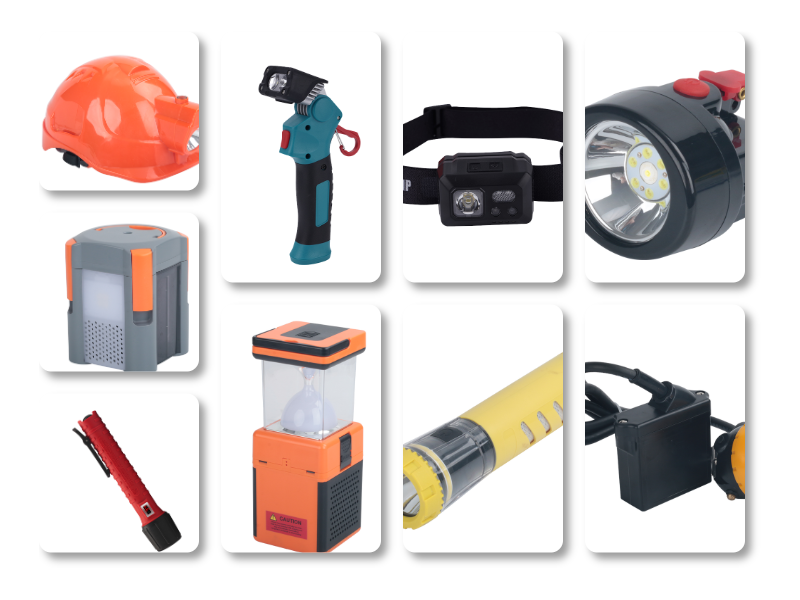

    China intrinsically safe flashlight supplier

  • Understanding Wiring Conduct: A Comprehensive Guide

      Wiring conduct is a fundamental aspect of electrical systems, ensuring the safe and efficient flow of electricity. In this article, we will delve into the concept of wiring conduct, its importance, types, and the factors that influence its performance.

      **Introduction**

      Electrical systems are integral to modern life, powering everything from homes and offices to industrial facilities. At the heart of these systems lies wiring conduct, which serves as the conduit for electrical current. Understanding the properties and characteristics of wiring conduct is crucial for ensuring the reliability, safety, and efficiency of electrical installations.

      **What is Wiring Conduct?**

      Wiring conduct refers to the material used to carry electrical current from one point to another. It is typically made of metal, such as copper or aluminum, which possesses high electrical conductivity. The primary purpose of wiring conduct is to facilitate the transfer of electrical energy with minimal resistance and heat generation.

      **Importance of Wiring Conduct**

      The choice of wiring conduct can significantly impact the performance and safety of an electrical system. Here are some key reasons why wiring conduct is important:

      1. **Conductivity**: The ability of a material to conduct electricity is measured by its electrical conductivity. High conductivity ensures that electrical current flows smoothly, reducing resistance and heat generation.

      2. **Safety**: Proper wiring conduct minimizes the risk of electrical fires and shocks. Materials with low conductivity are more likely to overheat and cause damage to the electrical system.

      3. **Reliability**: High-quality wiring conduct ensures that the electrical system operates consistently and efficiently over time.

      4. **Cost-effectiveness**: Choosing the right wiring conduct can help reduce maintenance and repair costs, as well as energy consumption.

      **Types of Wiring Conduct**

      There are several types of wiring conduct, each with its unique characteristics and applications:

      1. **Copper Conductors**: Copper is the most commonly used material for wiring conduct due to its high conductivity, flexibility, and durability. It is suitable for a wide range of applications, including residential, commercial, and industrial settings.

      2. **Aluminum Conductors**: Aluminum is a cost-effective alternative to copper, offering good conductivity and flexibility. However, it is more susceptible to corrosion and has a lower melting point than copper.

      3. **Copper Clad Aluminum Conductors (CCA)**: CCA combines the advantages of copper and aluminum, offering high conductivity and flexibility while reducing the risk of corrosion.

      4. **Tinned Copper Conductors**: Tinned copper conductors are coated with a layer of tin to enhance their corrosion resistance and improve their ability to withstand harsh environments.

      **Factors Influencing Wiring Conduct Performance**

      Several factors can influence the performance of wiring conduct:

      1. **Material**: The choice of material significantly affects the conductivity, durability, and cost of the wiring conduct.

      2. **Cross-sectional Area**: The size of the wire determines its ability to carry electrical current. A larger cross-sectional area allows for higher current capacity.

      3. **Insulation**: The insulation material surrounding the wire provides protection against electrical shock and heat. The choice of insulation material can also affect the wire’s flexibility and resistance to environmental factors.

      4. **Temperature**: The temperature at which the wiring conduct is installed and operated can impact its performance. High temperatures can reduce conductivity and increase the risk of overheating.

      **Conclusion**

      In conclusion, wiring conduct plays a crucial role in the performance and safety of electrical systems. Understanding the properties, types, and factors influencing the performance of wiring conduct is essential for designing and installing reliable, efficient, and safe electrical systems.

    wiring conduct

  • High Lumen Explosion Proof Flashlight Bulk Order in China: A Comprehensive Guide

      In the fast-paced world of industrial safety, explosion-proof flashlights have become an essential tool for workers in hazardous environments. With the increasing demand for high-quality and reliable explosion-proof flashlights, bulk orders have become a popular choice for businesses. This article provides a comprehensive guide to high lumen explosion proof flashlight bulk orders in China, covering the importance of these flashlights, the benefits of bulk ordering, and how to find the best suppliers.

      **The Importance of Explosion Proof Flashlights**

      Explosion-proof flashlights are designed to prevent the ignition of flammable gases, vapors, and dust in environments where such hazards are present. These flashlights are crucial for ensuring the safety of workers in industries such as oil and gas, mining, and chemical manufacturing. High lumen explosion-proof flashlights offer enhanced visibility in low-light conditions, making them an ideal choice for tasks that require precision and safety.

      **Benefits of Bulk Ordering**

      Bulk ordering explosion-proof flashlights in China offers several advantages:

      1. Cost-Effective: Ordering in bulk can significantly reduce the unit cost per flashlight, making it an economical choice for businesses.
    2. Consistency: Bulk orders ensure a consistent supply of flashlights, reducing the risk of stockouts and ensuring that workers always have access to the tools they need.
    3. Customization: Many Chinese suppliers offer customization options, allowing businesses to tailor the flashlights to their specific requirements, such as branding, color, and additional features.
    4. Fast Delivery: With the advanced logistics infrastructure in China, bulk orders can be delivered quickly, minimizing downtime for businesses.

      **Finding the Best Suppliers**

      When looking for high lumen explosion proof flashlight bulk orders in China, it’s essential to find reliable and reputable suppliers. Here are some tips for finding the best suppliers:

      1. Research: Start by researching potential suppliers online. Look for suppliers with a strong presence in the industry, positive customer reviews, and a history of delivering high-quality products.
    2. Contact Multiple Suppliers: Reach out to several suppliers to compare their offerings, prices, and delivery times. This will help you find the best deal and ensure that you’re getting the highest quality products.
    3. Request Samples: Before placing a bulk order, request samples to assess the quality of the flashlights. This will help you ensure that the products meet your expectations.
    4. Check Certifications: Ensure that the suppliers have the necessary certifications, such as CE, RoHS, and IECEx, which guarantee that the flashlights meet international safety standards.

      **Conclusion**

      High lumen explosion proof flashlight bulk orders in China offer numerous benefits for businesses operating in hazardous environments. By following this comprehensive guide, you can find reliable suppliers and ensure that your workers have the tools they need to stay safe and productive. Remember to prioritize quality, reliability, and customization when selecting a supplier, and you’ll be well on your way to a successful bulk order.

    high lumen explosion proof flashlight bulk order in China

  • The Advancements and Applications of Low-power Relays

      Low-power relays have emerged as a crucial component in modern electrical and electronic systems. These compact, energy-efficient devices have revolutionized the way we control and manage electrical circuits. This article delves into the advancements in low-power relay technology, their applications, and the benefits they offer over traditional relay systems.

      **Introduction**

      In recent years, there has been a significant shift towards energy-efficient technologies in various industries. This shift is primarily driven by the growing concerns over environmental sustainability and the increasing demand for efficient power management. Low-power relays play a pivotal role in this transition, offering a more energy-efficient alternative to traditional relays. This article explores the evolution of low-power relay technology, its applications, and the advantages it brings to different sectors.

      **Advancements in Low-power Relay Technology**

      The development of low-power relay technology has been marked by several key advancements. These include:

      1. **Miniaturization**: One of the most significant advancements in low-power relay technology is the miniaturization of the devices. This has been achieved through the use of advanced materials and manufacturing techniques, allowing for the creation of smaller, more compact relays. This miniaturization has not only made low-power relays more space-efficient but has also improved their overall performance.

      2. **Energy Efficiency**: Low-power relays are designed to consume significantly less energy compared to traditional relays. This is achieved through the use of low-power coils and efficient switching mechanisms. The reduced energy consumption not only makes low-power relays more environmentally friendly but also helps in reducing operational costs.

      3. **Improved Reliability**: The advancements in low-power relay technology have also led to improved reliability. These relays are designed to withstand harsh environmental conditions and have a longer lifespan, making them a more durable and reliable option for various applications.

      **Applications of Low-power Relays**

      Low-power relays find applications in a wide range of industries and sectors. Some of the key applications include:

      1. **Automotive Industry**: In the automotive industry, low-power relays are used in various applications, including engine management systems, lighting, and electrical power distribution. Their compact size, energy efficiency, and reliability make them an ideal choice for automotive applications.

      2. **Industrial Automation**: Low-power relays are extensively used in industrial automation systems for controlling and managing electrical circuits. Their ability to handle high currents and voltages, along with their energy-efficient operation, makes them a preferred choice for industrial applications.

      3. **Consumer Electronics**: The consumer electronics industry also utilizes low-power relays in various devices, such as smartphones, laptops, and smart home systems. These relays help in managing power distribution and controlling electronic circuits efficiently.

      **Benefits of Low-power Relays**

      The use of low-power relays offers several benefits over traditional relay systems, including:

      1. **Energy Savings**: Low-power relays consume significantly less energy, leading to reduced operational costs and lower environmental impact.

      2. **Space Efficiency**: The compact size of low-power relays allows for more efficient use of space in electrical systems.

      3. **Improved Reliability**: The advanced technology used in low-power relays ensures improved reliability and durability, making them a more sustainable choice for various applications.

      **Conclusion**

      Low-power relays have become an integral part of modern electrical and electronic systems, offering a more energy-efficient and reliable alternative to traditional relay systems. With continuous advancements in technology, the applications of low-power relays are expected to expand further, making them an indispensable component in various industries.

    Low-power relay

  • Understanding the Importance of PVC Wiring Ducts in Modern Construction

      The construction industry has evolved significantly over the years, with advancements in technology and materials revolutionizing the way buildings are designed and constructed. One such innovation is the use of PVC wiring ducts, which have become an integral part of modern construction. This article aims to provide an overview of PVC wiring ducts, their benefits, and their role in the construction industry.

      Introduction:
    PVC wiring ducts, also known as plastic conduit, are flexible and durable conduits used to protect electrical wires and cables in buildings. Made from polyvinyl chloride (PVC), these conduits offer numerous advantages over traditional metal conduits. As the construction industry continues to grow, understanding the importance of PVC wiring ducts becomes crucial for both contractors and architects.

      Benefits of PVC Wiring Ducts:
    1. Lightweight and Easy to Install:
    Compared to metal conduits, PVC wiring ducts are much lighter, making them easier to handle and install. This reduces the labor and time required for installation, ultimately lowering project costs.

      2. Corrosion Resistance:
    PVC is highly resistant to corrosion, making it an ideal material for electrical conduits in both indoor and outdoor environments. This durability ensures that the conduits will last for many years without deteriorating.

      3. Flexibility:
    The flexibility of PVC wiring ducts allows for easy routing around corners and obstructions, making them suitable for a wide range of applications. This flexibility also reduces the risk of damage to the electrical cables during installation.

      4. Electrical Insulation:
    PVC wiring ducts provide excellent electrical insulation, reducing the risk of electrical shocks and fire hazards. This feature makes them a safer choice for electrical installations.

      5. Cost-Effective:
    PVC wiring ducts are more cost-effective than metal conduits due to their lower material and installation costs. This affordability makes them an attractive option for budget-conscious projects.

      6. Environmentally Friendly:
    PVC is a recyclable material, making PVC wiring ducts an environmentally friendly choice. Additionally, the lightweight nature of PVC reduces transportation costs and emissions.

      Applications of PVC Wiring Ducts:
    PVC wiring ducts are used in a wide range of construction projects, including:

      1. Residential Buildings:
    PVC wiring ducts are commonly used in residential buildings for electrical installations, such as lighting, outlets, and switches. Their flexibility and ease of installation make them ideal for use in homes.

      2. Commercial Buildings:
    Commercial buildings, such as offices, hospitals, and schools, also utilize PVC wiring ducts for electrical installations. The durability and corrosion resistance of these conduits make them suitable for harsh environments.

      3. Industrial Facilities:
    PVC wiring ducts are used in industrial facilities for electrical installations, such as machinery and equipment. Their flexibility and resistance to high temperatures make them suitable for these demanding applications.

      4. Infrastructure Projects:
    PVC wiring ducts are used in infrastructure projects, such as roadways, bridges, and tunnels, for electrical installations. Their durability and resistance to environmental factors make them a reliable choice for these projects.

      Conclusion:
    PVC wiring ducts have become an essential component of modern construction due to their numerous benefits. Their lightweight, flexibility, corrosion resistance, and cost-effectiveness make them an ideal choice for a wide range of applications. As the construction industry continues to evolve, the importance of PVC wiring ducts will only grow, ensuring the safety and efficiency of electrical installations in buildings and infrastructure projects.

    PVC wiring duct

  • Explosion Proof Rechargeable Torch OEM China: A Game-Changer in Industrial Safety

      In the realm of industrial safety, the demand for reliable and efficient lighting solutions is paramount. Enter the explosion proof rechargeable torch OEM China, a revolutionary product that has transformed the way workers operate in hazardous environments. This article delves into the significance of explosion proof rechargeable torches, their benefits, and why China has become the leading OEM manufacturer in this niche market.

      **The Significance of Explosion Proof Rechargeable Torches**

      Explosion proof rechargeable torches are designed to operate in environments where flammable gases, vapors, or dust may be present. These torches are engineered to prevent the ignition of sparks or heat that could lead to an explosion. In industries such as oil and gas, mining, and chemical processing, where such risks are prevalent, explosion proof torches are not just a convenience but a necessity.

      The primary purpose of these torches is to ensure the safety of workers by providing a reliable light source without the risk of fire or explosion. This is achieved through the use of special materials and construction techniques that isolate the electrical components from the surroundings.

      **Benefits of Explosion Proof Rechargeable Torches**

      Several benefits make explosion proof rechargeable torches an indispensable tool in hazardous environments:

      1. **Safety**: The most obvious advantage is the enhanced safety they offer. By eliminating the risk of sparks or heat, these torches prevent accidents that could lead to injuries or loss of life.

      2. **Efficiency**: These torches are designed to provide a bright, focused light, allowing workers to perform their tasks efficiently even in low-light conditions.

      3. **Durability**: Constructed with high-quality materials, explosion proof rechargeable torches are built to withstand harsh conditions, ensuring long-term reliability.

      4. **Ease of Use**: Many models come with user-friendly features such as adjustable brightness, long battery life, and easy-to-use charging systems.

      **China’s Role in Explosion Proof Rechargeable Torch OEM**

      China has emerged as the leading OEM manufacturer of explosion proof rechargeable torches. This dominance can be attributed to several factors:

      1. **Skilled Workforce**: China boasts a large and skilled workforce, which is essential for the precision required in manufacturing explosion proof equipment.

      2. **Advanced Technology**: The country has made significant investments in research and development, leading to the creation of cutting-edge technology in explosion proof torches.

      3. **Cost-Effective Manufacturing**: Chinese manufacturers offer competitive pricing due to efficient production processes and economies of scale.

      4. **Global Reach**: Chinese OEMs have a strong presence in the global market, allowing them to cater to the diverse needs of customers worldwide.

      **Conclusion**

      The explosion proof rechargeable torch OEM China has become a game-changer in industrial safety. By providing a safe, efficient, and durable lighting solution, these torches have significantly reduced the risks associated with working in hazardous environments. As China continues to lead in this niche market, it is likely that we will see further advancements in technology and innovation, making the workplace safer for all.

    explosion proof rechargeable torch OEM China

  • Understanding the Switch Relay: Its Importance and Applications

      The switch relay, a fundamental component in electrical and electronic systems, plays a crucial role in controlling the flow of electrical current. This article delves into the basics of switch relays, their importance, and various applications across different industries.

      Introduction:
    Switch relays are electromechanical devices that use an electromagnet to control the switching of electrical circuits. They are designed to handle high currents and voltages, making them ideal for industrial and commercial applications. The primary function of a switch relay is to control the flow of electricity, either by opening or closing a circuit. This article aims to provide a comprehensive understanding of switch relays, their working principles, and their significance in various fields.

      Working Principle:
    A switch relay consists of several key components, including a coil, an armature, and contacts. When an electrical current passes through the coil, it generates a magnetic field. This magnetic field attracts the armature, which, in turn, moves the contacts to open or close the circuit. The contacts are typically made of materials like silver, gold, or copper, which have high electrical conductivity and can withstand the heat generated during switching.

      Types of Switch Relays:
    There are various types of switch relays, each designed for specific applications. Some of the most common types include:

      1. Single Pole, Single Throw (SPST) Relay: This type of relay has one input (coil) and one output (contact). It can either close or open the circuit, making it suitable for simple switching applications.

      2. Single Pole, Double Throw (SPDT) Relay: An SPDT relay has one input and two outputs. It can connect either of the two outputs to the input, providing more flexibility in circuit control.

      3. Double Pole, Double Throw (DPDT) Relay: This relay has two inputs and two outputs, allowing for the control of two separate circuits simultaneously.

      4. Changeover (CO) Relay: A changeover relay has two inputs and two outputs, but unlike an SPDT relay, it connects the inputs to the outputs in a specific sequence, either normally open (NO) or normally closed (NC).

      Applications:
    Switch relays find extensive applications in various industries due to their ability to handle high currents and voltages. Some of the key applications include:

      1. Industrial Automation: Switch relays are widely used in industrial automation systems for controlling machinery, monitoring processes, and ensuring safety.

      2. Automotive Industry: Relays are essential in automotive applications, such as controlling the engine, lights, and other electrical systems.

      3. Home Appliances: Switch relays are used in various home appliances, such as refrigerators, washing machines, and air conditioners, to control the flow of electricity.

      4. Telecommunications: In the telecommunications industry, relays are used to route calls and control the switching of signals.

      5. Power Distribution: Switch relays are used in power distribution systems to isolate circuits, protect equipment, and control the flow of electricity.

      Conclusion:
    Switch relays are vital components in electrical and electronic systems, providing efficient and reliable control of electrical circuits. Their ability to handle high currents and voltages makes them suitable for a wide range of applications across different industries. Understanding the working principle and types of switch relays can help engineers and technicians select the right relay for their specific needs, ensuring optimal performance and safety in their systems.

    Switch relay

  • The Advantages and Applications of Modular Wiring Ducts

      Modular wiring ducts have become an essential component in modern electrical installations. These versatile and efficient systems offer numerous benefits, making them a preferred choice for both residential and commercial projects. In this article, we will explore the advantages and applications of modular wiring ducts, highlighting their importance in the electrical industry.

      **Introduction**

      As technology advances, the demand for efficient and reliable electrical installations continues to grow. Modular wiring ducts provide a practical solution for managing electrical wiring in various settings. These systems are designed to be flexible, durable, and easy to install, making them an ideal choice for modern electrical projects.

      **Advantages of Modular Wiring Ducts**

      1. **Ease of Installation**: Modular wiring ducts are designed for quick and easy installation. The components can be assembled without the need for specialized tools, reducing installation time and labor costs.

      2. **Flexibility**: These ducts can be easily expanded or reconfigured to accommodate changes in the electrical system. This flexibility makes them suitable for projects that may require modifications in the future.

      3. **Durability**: Modular wiring ducts are made from high-quality materials, such as PVC or metal, ensuring they can withstand harsh conditions and provide long-lasting performance.

      4. **Safety**: These ducts offer excellent protection for electrical wiring, reducing the risk of damage and fire hazards. Additionally, they provide easy access for maintenance and troubleshooting.

      5. **Aesthetics**: Modular wiring ducts are available in various colors and finishes, allowing for a clean and organized appearance in any setting.

      **Applications of Modular Wiring Ducts**

      1. **Residential Projects**: Modular wiring ducts are commonly used in residential buildings for managing electrical wiring in walls, ceilings, and floors. They provide a practical solution for hiding wires and maintaining a clutter-free environment.

      2. **Commercial Buildings**: In commercial settings, modular wiring ducts are ideal for managing electrical systems in office spaces, retail stores, and warehouses. Their flexibility allows for easy adaptation to changing layouts and requirements.

      3. **Industrial Applications**: Modular wiring ducts are also used in industrial environments, where they provide reliable protection for electrical wiring in harsh conditions, such as high temperatures, moisture, and chemicals.

      4. **Renovations and Retrofits**: These ducts are an excellent choice for renovations and retrofits, as they can be easily installed in existing structures without disrupting the overall design.

      **Conclusion**

      Modular wiring ducts offer numerous advantages, making them a valuable addition to any electrical installation. Their ease of installation, flexibility, durability, and safety features make them an ideal choice for a wide range of applications. As the demand for efficient and reliable electrical systems continues to grow, modular wiring ducts will undoubtedly play a crucial role in the future of the electrical industry.

    modular wiring duct

  • Hazardous Area Tactical Flashlight Factory in China: A Beacon of Innovation and Safety

      In the heart of China, amidst the bustling industrial landscape, lies a beacon of innovation and safety: a hazardous area tactical flashlight factory. This factory, a testament to Chinese ingenuity and commitment to safety, produces cutting-edge flashlights designed for use in hazardous environments. This article delves into the significance of this factory, its cutting-edge technologies, and the impact it has on ensuring safety in high-risk areas.

      The Significance of Hazardous Area Tactical Flashlights

      Hazardous areas, such as oil refineries, chemical plants, and mining sites, pose unique safety challenges. These environments are prone to flammable gases, vapors, and dust, which can ignite and cause explosions or fires. In such conditions, traditional flashlights are inadequate and can even be dangerous. This is where hazardous area tactical flashlights come into play. These specialized flashlights are designed to operate safely in environments where flammable substances are present.

      The factory in question plays a crucial role in producing these vital safety tools. By providing high-quality, reliable flashlights, the factory helps ensure the safety of workers in hazardous areas, thereby preventing accidents and saving lives.

      Innovative Technologies at the Factory

      The hazardous area tactical flashlight factory in China is at the forefront of technological innovation. The factory employs state-of-the-art manufacturing processes and cutting-edge materials to produce flashlights that meet the highest safety standards. Some of the key technologies used in the production process include:

      1. Intrinsically Safe Design: The flashlights are designed to prevent any spark that could ignite flammable substances. This is achieved by using non-sparking materials and ensuring that all electrical components are enclosed.

      2. High-Quality Materials: The factory uses high-quality materials, such as aerospace-grade aluminum and polycarbonate, to ensure the durability and reliability of the flashlights.

      3. Advanced Lighting Technology: The flashlights are equipped with advanced LED lighting technology, which provides bright, clear illumination without generating excessive heat.

      4. Waterproof and Dustproof: The flashlights are designed to be waterproof and dustproof, making them suitable for use in a variety of environments, including underwater and in dusty conditions.

      Impact on Safety and Efficiency

      The production of hazardous area tactical flashlights has a significant impact on safety and efficiency in high-risk areas. By providing workers with a reliable source of light, these flashlights help improve visibility and reduce the risk of accidents. Additionally, the advanced features of these flashlights, such as a long battery life and adjustable brightness, enhance the efficiency of workers in hazardous environments.

      The factory’s commitment to quality and safety has also helped create a positive reputation in the industry. Customers from around the world trust the factory’s products, knowing that they are using a reliable and safe tool in potentially dangerous situations.

      Conclusion

      The hazardous area tactical flashlight factory in China is a shining example of how technology and innovation can be harnessed to improve safety and efficiency in high-risk areas. By producing high-quality, reliable flashlights, the factory plays a vital role in ensuring the safety of workers in hazardous environments. As the world continues to face new challenges in safety and technology, the factory’s commitment to innovation and quality will undoubtedly continue to make a significant impact.

    hazardous area tactical flashlight factory in China

  • Smart Home Relay: The Ultimate Guide to Enhancing Your Home Automation Experience

      In recent years, the concept of smart homes has gained significant traction. One of the key components of a smart home system is the smart home relay. This guide will delve into what a smart home relay is, its benefits, and how it can enhance your home automation experience.

      **What is a Smart Home Relay?**
    A smart home relay is a device that allows you to control electrical appliances remotely. It acts as a bridge between your home automation system and the appliances you want to control. By connecting to your home Wi-Fi network, the smart home relay can be accessed and controlled via a smartphone or tablet app.

      **Benefits of Using a Smart Home Relay**
    1. **Remote Control**: One of the most significant benefits of a smart home relay is the ability to control your appliances remotely. Whether you’re at home or away, you can turn on or off your lights, fans, or even your air conditioner with just a few taps on your smartphone.
    2. **Energy Efficiency**: With a smart home relay, you can schedule your appliances to turn on or off at specific times. This not only provides convenience but also helps in reducing energy consumption, thereby lowering your electricity bills.
    3. **Safety and Security**: Smart home relays can be integrated with security systems. For instance, you can set your lights to turn on automatically when you arrive home, giving the illusion that someone is inside, thereby deterring potential burglars.
    4. **Ease of Use**: Smart home relays are user-friendly and easy to install. Most models come with a simple setup process, and the companion app provides a user-friendly interface for controlling your devices.

      **Types of Smart Home Relays**
    There are various types of smart home relays available in the market, each designed to cater to different needs. Some of the most common types include:
    1. **Single-Channel Relays**: These relays can control a single appliance. They are ideal for controlling lights, fans, or other single-device appliances.
    2. **Multi-Channel Relays**: As the name suggests, these relays can control multiple appliances simultaneously. They are perfect for larger homes or those with multiple smart devices.
    3. **Dimmable Relays**: These relays are designed to control dimmable lights, allowing you to adjust the brightness levels remotely.
    4. **Switched Relays**: These relays are used to control devices that require a switch, such as doorbells or garage doors.

      **How to Choose the Right Smart Home Relay**
    When selecting a smart home relay, consider the following factors:
    1. **Compatibility**: Ensure that the relay is compatible with your home automation system and the devices you wish to control.
    2. **Range**: If you plan to control devices from a distance, choose a relay with a wide Wi-Fi range.
    3. **Features**: Look for relays that offer additional features like voice control, energy monitoring, or integration with other smart home devices.
    4. **Brand Reputation**: Choose a reputable brand that offers reliable and durable products.

      **Conclusion**
    A smart home relay is a valuable addition to your home automation system. It offers convenience, energy efficiency, and enhanced security. By understanding the different types of smart home relays and how to choose the right one, you can create a truly smart and efficient home environment.

    Smart home relay
