Blog

  • Flexible Rohrverbindungen für Abwasserleitungen: The Key to Efficient Drainage Systems

      Flexible Rohrverbindungen für Abwasserleitungen have become an integral part of modern drainage systems. These adaptable connections offer numerous advantages over traditional rigid piping, making them a preferred choice for both new installations and renovations. In this article, we will explore the benefits of flexible Rohrverbindungen für Abwasserleitungen and their role in efficient drainage systems.

      **Introduction**

      Drainage systems are essential for managing wastewater and rainwater effectively. Over the years, advancements in technology have led to the development of various types of piping materials and connections. Among these, flexible Rohrverbindungen für Abwasserleitungen have gained significant popularity due to their versatility and efficiency. This article aims to shed light on the importance of these connections in modern drainage systems.

      **Benefits of Flexible Rohrverbindungen für Abwasserleitungen**

      1. **Ease of Installation**: Flexible Rohrverbindungen are designed to be easy to install. Their adaptable nature allows them to be bent and shaped to fit various angles and configurations, making them suitable for complex layouts. This ease of installation not only saves time but also reduces labor costs.

      2. **Reduced Pipe Bursts**: Unlike rigid piping, flexible Rohrverbindungen can absorb vibrations and movements. This characteristic minimizes the risk of pipe bursts, which can occur due to ground shifts, temperature changes, or other external factors.

      3. **Reduced Noise and Vibration**: Flexible connections help in reducing noise and vibration transmitted through the drainage system. This is particularly beneficial in residential areas, where noise levels can be a significant concern.

      4. **Longevity and Durability**: The materials used in flexible Rohrverbindungen are designed to withstand harsh conditions, including temperature fluctuations and chemicals present in wastewater. This ensures a longer lifespan and reduced maintenance requirements.

      5. **Cost-Effective**: Although flexible Rohrverbindungen may be slightly more expensive than traditional piping, their long-term benefits make them a cost-effective choice. The reduced risk of pipe bursts, noise, and maintenance costs can offset the initial higher investment.

      **Applications of Flexible Rohrverbindungen für Abwasserleitungen**

      Flexible Rohrverbindungen are used in various applications, including:

      1. **Residential Buildings**: These connections are commonly used in residential buildings for plumbing and drainage systems. Their ease of installation and noise-reducing properties make them an ideal choice for homeowners.

      2. **Commercial Buildings**: Flexible Rohrverbindungen are also used in commercial buildings, such as offices, hospitals, and shopping centers. Their adaptability and durability make them suitable for complex layouts and harsh conditions.

      3. **Industrial Applications**: Industries that generate large volumes of wastewater, such as manufacturing and food processing plants, can benefit from flexible Rohrverbindungen. These connections can handle high flow rates and withstand harsh chemicals.

      4. **Renovations and Retrofits**: Flexible Rohrverbindungen are an excellent choice for renovations and retrofits. Their adaptability allows them to be installed in existing systems without disrupting the overall structure.

      **Conclusion**

      Flexible Rohrverbindungen für Abwasserleitungen have revolutionized the drainage industry. Their numerous benefits, including ease of installation, reduced pipe bursts, noise reduction, longevity, and cost-effectiveness, make them a preferred choice for modern drainage systems. As technology continues to advance, we can expect to see even more innovative solutions in the field of flexible piping connections.

    flexible Rohrverbindungen für Abwasserleitungen

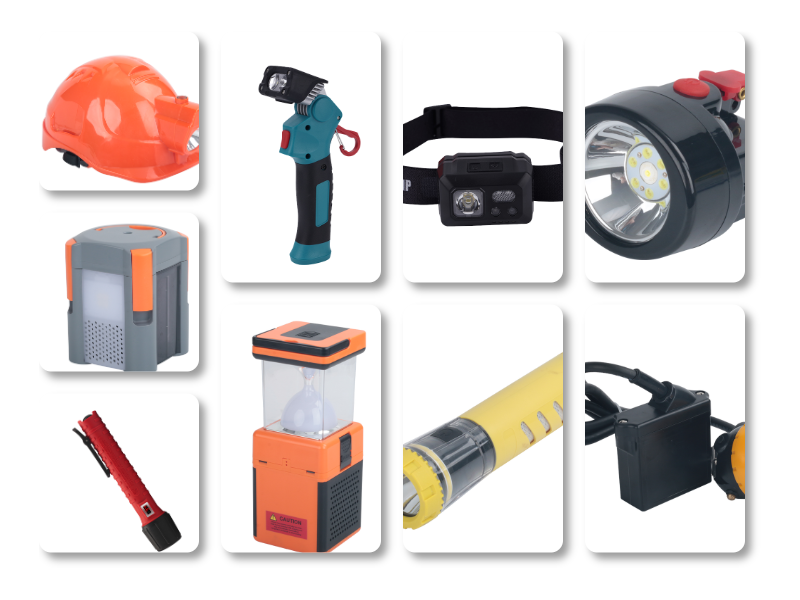
  • Rechargeable ATEX IECEx Tactical Emergency Solutions in China

      In the rapidly evolving landscape of industrial safety, the demand for reliable and compliant emergency equipment has surged. China, being a global manufacturing hub, has been at the forefront of providing innovative solutions to meet these demands. One such cutting-edge technology is the rechargeable ATEX IECEx tactical emergency equipment. This article delves into the significance of these devices in China and their role in ensuring workplace safety.

      **Introduction**

      The ATEX (Atmospheres Explosibles) and IECEx (International Electrotechnical Commission System of Certification to Standards Relating to Equipment for Use in Explosive Atmospheres) certifications are crucial for ensuring the safety of equipment used in potentially explosive environments. In China, these certifications are particularly important due to the country’s vast industrial sector, which includes numerous hazardous areas.

      **Understanding Rechargeable ATEX IECEx Tactical Emergency Equipment**

      Rechargeable ATEX IECEx tactical emergency equipment refers to devices designed for use in explosive atmospheres that can be recharged for repeated use. These devices are essential for emergency situations where immediate access to power is crucial. They are commonly used in oil refineries, chemical plants, and other industries where the risk of explosion is high.

      The key features of these devices include:

      1. **Compliance with ATEX and IECEx Standards**: These devices are designed to meet the stringent safety requirements of both ATEX and IECEx certifications, ensuring they are safe for use in explosive atmospheres.

      2. **Rechargeable Batteries**: The use of rechargeable batteries allows for repeated use, reducing the need for frequent replacements and minimizing waste.

      3. **Tactical Design**: These devices are designed to be robust and durable, capable of withstanding harsh conditions and providing reliable performance in emergency situations.

      **The Significance of Rechargeable ATEX IECEx Tactical Emergency Equipment in China**

      China’s industrial sector is vast and diverse, with numerous hazardous areas that require specialized equipment to ensure safety. The following points highlight the importance of rechargeable ATEX IECEx tactical emergency equipment in China:

      1. **Enhanced Safety**: These devices play a crucial role in preventing accidents and ensuring the safety of workers in potentially explosive environments.

      2. **Cost-Effective**: The use of rechargeable batteries reduces the cost of maintaining emergency equipment, as there is no need for frequent replacements.

      3. **Environmental Friendly**: By reducing the need for disposable batteries, these devices contribute to environmental sustainability.

      4. **Global Market Demand**: China’s commitment to providing high-quality, compliant emergency equipment has made it a leading supplier in the global market.

      **Case Studies**

      Several case studies demonstrate the effectiveness of rechargeable ATEX IECEx tactical emergency equipment in China. For instance, a major oil refinery in the country implemented these devices in its hazardous areas, resulting in a significant reduction in the risk of accidents.

      **Conclusion**

      Rechargeable ATEX IECEx tactical emergency equipment is a crucial component of workplace safety in China. As the country continues to grow its industrial sector, the demand for these devices is expected to increase. By focusing on innovation and compliance, China is poised to become a leading provider of high-quality emergency equipment, ensuring the safety of workers worldwide.

    rechargeable ATEX IECEx tactical emergency China

  • The Role and Function of Electric Vehicle Relay: A Comprehensive Guide

      Electric vehicles (EVs) have gained significant traction in recent years, thanks to advancements in technology and increasing environmental awareness. One of the key components that enable the smooth operation of EVs is the electric vehicle relay. In this article, we will delve into the role and function of the electric vehicle relay, providing a comprehensive guide to understanding its importance in modern electric vehicles.

      **Introduction**

      An electric vehicle relay is a crucial component in the electrical system of an electric vehicle. It serves as a switch that controls the flow of electrical current to various parts of the vehicle. The relay is responsible for ensuring that the electrical system operates efficiently and safely, thereby enhancing the overall performance of the EV.

      **Understanding Electric Vehicle Relay**

      An electric vehicle relay is essentially a switch that operates under the control of an electrical signal. It consists of several components, including a coil, a set of contacts, and a housing. When an electrical current passes through the coil, it generates a magnetic field that pulls the contacts together, thereby closing the circuit and allowing the flow of current.

      The relay is designed to handle high currents and voltages, which are typical in electric vehicles. It is usually mounted on the vehicle’s electrical system, close to the components it controls. This ensures that the relay can respond quickly to any changes in the electrical system, thereby maintaining optimal performance.

      **Role of Electric Vehicle Relay**

      The electric vehicle relay plays several critical roles in the operation of an EV:

      1. **Control of High-Current Components**: Electric vehicles require high currents to power their motors and other electrical components. The relay ensures that these high currents are directed to the correct components, thereby preventing damage to the electrical system.

      2. **Safety**: The relay acts as a safety mechanism by preventing the flow of current in the event of a fault or malfunction in the electrical system. This helps to prevent accidents and damage to the vehicle.

      3. **Efficiency**: By controlling the flow of current to different components, the relay helps to optimize the energy consumption of the vehicle, thereby improving its overall efficiency.

      4. **Reliability**: The relay is designed to withstand harsh conditions, including high temperatures and vibrations, which are common in electric vehicles. This ensures that the relay operates reliably throughout the vehicle’s lifespan.

      **Types of Electric Vehicle Relays**

      There are several types of electric vehicle relays, each designed to handle specific functions:

      1. **Power Relays**: These relays are used to control high-current components, such as motors and batteries.

      2. **Control Relays**: These relays are used to control low-current components, such as sensors and switches.

      3. **Solid-State Relays**: These relays use semiconductor devices to switch electrical signals, offering improved efficiency and reduced wear and tear.

      **Conclusion**

      The electric vehicle relay is a critical component in the electrical system of an EV. Its role in controlling the flow of electrical current, ensuring safety, and optimizing efficiency cannot be overstated. As the electric vehicle market continues to grow, the importance of the electric vehicle relay will only increase. Understanding its function and role is essential for anyone interested in the technology behind electric vehicles.

    electric vehicle relay

  • Stainless Steel Couplings for Industrial Use: The Ultimate Guide

      Stainless steel couplings have become an integral part of the industrial sector due to their exceptional durability, corrosion resistance, and reliability. This article delves into the world of stainless steel couplings for industrial use, exploring their types, benefits, and applications.

      **Introduction**

      Industrial environments are harsh, demanding components that can withstand extreme temperatures, pressures, and mechanical stresses. Stainless steel couplings have emerged as a preferred choice for many industries due to their robust nature and ability to perform under challenging conditions. In this guide, we will discuss the various types of stainless steel couplings, their advantages, and the industries where they are commonly used.

      **Types of Stainless Steel Couplings**

      1. **Flanged Couplings**: These couplings are designed with flanges on both ends, allowing them to be bolted together. They are available in various sizes and are suitable for high-torque applications.
    2. **Sleeve Couplings**: Sleeve couplings consist of a sleeve that fits over the shafts, providing a flexible connection. They are ideal for applications where misalignment or vibration is a concern.
    3. **Rigid Couplings**: Rigid couplings offer a direct connection between two shafts, providing minimal flexibility. They are suitable for applications with high precision and speed requirements.
    4. **Flexible Couplings**: These couplings allow for some degree of misalignment between shafts, making them ideal for applications with varying shaft orientations or offsets.

      **Benefits of Stainless Steel Couplings**

      1. **Corrosion Resistance**: Stainless steel is inherently corrosion-resistant, making it an excellent choice for applications in harsh environments, such as chemical processing, mining, and marine industries.
    2. **Durability**: The high strength and hardness of stainless steel ensure that these couplings can withstand the mechanical stresses associated with industrial applications.
    3. **Temperature Resistance**: Stainless steel couplings can operate in a wide temperature range, making them suitable for both high-temperature and cryogenic applications.
    4. **Easy Maintenance**: These couplings are designed for easy installation and maintenance, reducing downtime and costs.

      **Applications of Stainless Steel Couplings**

      1. **Pump Systems**: Stainless steel couplings are commonly used in pump systems due to their ability to withstand the high pressures and corrosive fluids typically found in these applications.
    2. **Compressors**: They are also used in compressor systems, where they provide a durable and reliable connection between the motor and the compressor.
    3. **Chemical Processing**: The corrosion resistance of stainless steel couplings makes them ideal for use in chemical processing plants, where they can withstand the harsh conditions of these environments.
    4. **Marine Industry**: These couplings are widely used in the marine industry, where they can withstand the corrosive effects of saltwater and the demanding conditions of ship propulsion systems.

      **Conclusion**

      Stainless steel couplings for industrial use offer numerous benefits, making them a popular choice in various industries. Their corrosion resistance, durability, and temperature resistance make them an excellent choice for applications in harsh environments. By understanding the different types of stainless steel couplings and their applications, engineers can select the most suitable coupling for their specific needs, ensuring reliable and efficient operation of their industrial systems.

    stainless steel couplings for industrial use

  • Explosion Proof Tactical Flashlight Tender China: A Comprehensive Guide

      In the rapidly evolving world of law enforcement and military operations, the need for reliable and high-quality equipment is paramount. One such essential tool is the explosion-proof tactical flashlight. This article delves into the details of the explosion-proof tactical flashlight tender in China, exploring its significance, features, and applications.

      The Importance of Explosion-Proof Tactical Flashlights

      Explosion-proof tactical flashlights are designed to operate in environments where the risk of explosion is high. These environments include oil refineries, chemical plants, and areas with flammable gases or dust. The primary purpose of these flashlights is to provide illumination without the risk of causing an explosion or fire.

      In law enforcement and military operations, these flashlights are invaluable. They enable personnel to perform their duties effectively in low-light or no-light conditions without compromising safety. The explosion-proof tactical flashlight tender in China plays a crucial role in meeting the demand for these essential tools.

      Features of Explosion-Proof Tactical Flashlights

      Explosion-proof tactical flashlights come with a range of features that make them ideal for use in hazardous environments. Some of the key features include:

      1. Intrinsically Safe Design: These flashlights are designed to prevent the ignition of flammable gases or dust. They achieve this by limiting the temperature and electrical energy produced during operation.

      2. Durable Construction: Made from high-quality materials, these flashlights are built to withstand harsh conditions. They are often resistant to shock, water, and dust, making them suitable for use in various environments.

      3. Long Battery Life: With long-lasting batteries, these flashlights can provide continuous illumination for extended periods. This feature is particularly important in emergency situations where access to power sources may be limited.

      4. Advanced Lighting Technology: Explosion-proof tactical flashlights often incorporate advanced lighting technologies, such as LED or Xenon bulbs, to provide bright and clear illumination.

      Applications of Explosion-Proof Tactical Flashlights

      Explosion-proof tactical flashlights find applications in various industries and sectors, including:

      1. Law Enforcement: Police officers and security personnel use these flashlights to perform their duties in hazardous areas, such as chemical plants or oil refineries.

      2. Military Operations: Military personnel rely on these flashlights for night operations, search and rescue missions, and other activities in hazardous environments.

      3. Industrial Settings: Workers in industries with high explosion risks, such as oil and gas, chemical, and mining sectors, use these flashlights to ensure their safety and efficiency.

      4. Emergency Response: First responders, such as firefighters and paramedics, use explosion-proof tactical flashlights to navigate through hazardous areas during emergency situations.

      The Explosion Proof Tactical Flashlight Tender China

      The explosion-proof tactical flashlight tender in China is responsible for supplying these essential tools to various organizations and industries. The tender ensures that the flashlights meet the required safety standards and specifications, making them suitable for use in hazardous environments.

      Key aspects of the tender include:

      1. Quality Assurance: The tender ensures that the flashlights are manufactured using high-quality materials and advanced technologies, guaranteeing their reliability and performance.

      2. Compliance with Safety Standards: The tender ensures that the flashlights comply with international and domestic safety standards, such as IECEx, ATEX, and UL.

      3. Competitive Pricing: The tender offers competitive pricing to make these essential tools accessible to organizations and industries in need.

      Conclusion

      Explosion-proof tactical flashlights are essential tools for organizations and industries operating in hazardous environments. The explosion-proof tactical flashlight tender in China plays a crucial role in meeting the demand for these tools by ensuring their quality, safety, and affordability. As the demand for these flashlights continues to grow, the tender will remain a vital resource for those in need of reliable and high-quality explosion-proof tactical flashlights.

    explosion proof tactical flashlight tender China

  • Long Term Latching Relay Supplier: Your Ultimate Guide to Reliable and Efficient Relay Solutions

      In today’s fast-paced industrial world, finding a reliable and efficient relay supplier is crucial for the smooth operation of your business. A long-term latching relay supplier can provide you with high-quality, durable, and cost-effective relay solutions that meet your specific requirements. This article will guide you through the importance of choosing a long-term latching relay supplier and how to find the right one for your business.

      **Introduction**

      Relays are essential components in various industrial applications, including automation, control systems, and power distribution. A latching relay, in particular, offers the advantage of maintaining its state even after the control signal is removed. This feature makes it an ideal choice for applications that require long-term operation and minimal maintenance. However, finding a reliable long-term latching relay supplier can be challenging. In this article, we will discuss the factors to consider when selecting a long-term latching relay supplier and the benefits of working with a trusted provider.

      **Why Choose a Long-Term Latching Relay Supplier?**

      1. **Quality Assurance**: A reputable supplier ensures that their products meet the highest quality standards. This means that you can rely on their latching relays to perform consistently and efficiently throughout their lifespan.

      2. **Durable and Reliable**: Long-term latching relays are designed to withstand harsh industrial environments, including high temperatures, humidity, and vibration. Choosing a supplier that specializes in durable latching relays ensures that your equipment will operate smoothly for years to come.

      3. **Customization Options**: A long-term latching relay supplier can offer customized solutions to meet your specific requirements. This may include different voltage ratings, contact configurations, and enclosure types.

      4. **Competitive Pricing**: By establishing a long-term relationship with a supplier, you can benefit from competitive pricing and volume discounts. This can help you reduce your overall costs and improve your profit margins.

      5. **Excellent Customer Service**: A reliable supplier will provide excellent customer service, including technical support, after-sales service, and timely delivery. This ensures that any issues you encounter are resolved quickly and efficiently.

      **How to Find the Right Long-Term Latching Relay Supplier**

      1. **Research and Compare**: Start by researching different long-term latching relay suppliers. Look for suppliers with a strong reputation in the industry, as well as those that offer the specific types of latching relays you need.

      2. **Check Their Product Range**: Ensure that the supplier offers a wide range of latching relays to meet your various requirements. This may include different contact arrangements, voltage ratings, and enclosure types.

      3. **Review Customer Testimonials**: Look for customer testimonials and reviews to gauge the supplier’s reputation and the quality of their products and services.

      4. **Request a Sample**: Request a sample of the latching relay to test its performance and quality before making a purchase.

      5. **Consider Their Technical Support**: A reliable supplier will offer excellent technical support to help you choose the right relay for your application and answer any questions you may have.

      **Conclusion**

      Choosing a long-term latching relay supplier is an important decision for your business. By considering the factors outlined in this article, you can find a reliable and efficient supplier that meets your specific requirements. A trusted long-term latching relay supplier can help ensure the smooth operation of your industrial applications and provide you with the peace of mind that comes with knowing you have a reliable partner in your supply chain.

    long term latching relay supplier

  • Understanding the Importance of Plumbing Flexible Couplings

      Plumbing flexible couplings are essential components in various plumbing systems, providing flexibility, durability, and ease of installation. This article aims to explore the significance of plumbing flexible couplings, their types, applications, and the benefits they offer.

      **Introduction**

      Plumbing systems are integral to our daily lives, ensuring a continuous supply of water and waste disposal. Among the numerous components that make up a plumbing system, flexible couplings stand out for their unique properties and versatility. These couplings are designed to connect two pipes or fittings, allowing for movement and minimizing the risk of damage due to thermal expansion or ground settlement.

      **Types of Plumbing Flexible Couplings**

      1. **Rubber Flexible Couplings**: These are the most common type of flexible couplings, made from rubber materials such as neoprene, EPDM, or nitrile. They offer excellent flexibility, durability, and resistance to chemicals and temperature variations.

      2. **Metal Flexible Couplings**: Made from metals like stainless steel or brass, these couplings provide high strength and durability. They are suitable for high-pressure applications and can withstand extreme temperatures.

      3. **Bellow Flexible Couplings**: These couplings consist of a series of bellows, allowing for significant movement and expansion. They are ideal for applications where pipes undergo significant thermal expansion or movement.

      4. **Hose Connectors**: These couplings are designed to connect hoses to pipes or fittings. They are commonly used in irrigation systems, washing machines, and other applications requiring flexibility and durability.

      **Applications of Plumbing Flexible Couplings**

      1. **Water Supply Systems**: Flexible couplings are extensively used in water supply systems to connect pipes and fittings, allowing for movement and minimizing the risk of leaks or damage.

      2. **Sanitary Systems**: These couplings are used in sanitary systems to connect waste pipes and fittings, ensuring efficient waste disposal and minimizing the risk of blockages.

      3. **Industrial Applications**: Flexible couplings are widely used in industrial applications, such as chemical processing plants, oil refineries, and power stations. They provide flexibility and durability in high-pressure, high-temperature environments.

      4. **HVAC Systems**: These couplings are used in heating, ventilation, and air conditioning systems to connect pipes and fittings, allowing for movement and minimizing the risk of leaks or damage.

      **Benefits of Plumbing Flexible Couplings**

      1. **Flexibility**: Flexible couplings allow for movement, reducing the risk of damage due to thermal expansion or ground settlement.

      2. **Durability**: These couplings are made from high-quality materials, ensuring long-lasting performance and resistance to wear and tear.

      3. **Ease of Installation**: Flexible couplings are easy to install and can be used in various plumbing systems, making them a versatile choice for contractors and DIY enthusiasts.

      4. **Cost-Effective**: These couplings are cost-effective, providing a reliable and durable solution for plumbing systems.

      **Conclusion**

      Plumbing flexible couplings are an essential component in various plumbing systems, offering flexibility, durability, and ease of installation. By understanding the different types, applications, and benefits of these couplings, you can ensure the efficient and reliable operation of your plumbing system.

    plumbing flexible coupling

  • Hazardous Area Intrinsically Safe Tactical Solutions in China

      In the rapidly evolving landscape of industrial safety, the management of hazardous areas has become a critical concern. Hazardous areas, often characterized by the presence of flammable gases, vapors, or dusts, pose significant risks to both human life and property. This article delves into the concept of intrinsically safe tactical solutions in hazardous areas, with a specific focus on the advancements and applications in China.

      **Introduction**

      The term “hazardous area” refers to environments where the risk of fire or explosion is heightened due to the presence of flammable substances. These areas are commonly found in industries such as oil and gas, chemical processing, and pharmaceutical manufacturing. To mitigate these risks, the concept of intrinsically safe equipment and systems has gained prominence.

      **What is Intrinsically Safe Technology?**

      Intrinsically safe technology is designed to prevent the release of sufficient energy to cause an explosion. This is achieved by limiting the energy available in the system to a level that is insufficient to ignite the hazardous atmosphere. Intrinsically safe equipment is widely used in hazardous areas to ensure the safety of personnel and prevent accidents.

      **Intrinsically Safe Tactical Solutions in China**

      China, with its vast industrial base, has made significant strides in developing and implementing intrinsically safe tactical solutions. The following are some key aspects of these solutions:

      1. **Regulatory Framework**: The Chinese government has established stringent regulations to ensure the safety of hazardous areas. These regulations require the use of intrinsically safe equipment in certain industries, thereby driving the adoption of such technologies.

      2. **Technological Advancements**: Chinese companies have been at the forefront of developing innovative intrinsically safe technologies. These advancements include the development of intrinsically safe sensors, control systems, and communication devices.

      3. **Research and Development**: China has allocated substantial resources to research and development in the field of intrinsically safe technologies. This has led to the creation of new materials, design methodologies, and testing procedures.

      4. **International Collaboration**: Chinese companies are actively collaborating with international partners to exchange knowledge and technology. This collaboration has helped in enhancing the quality and reliability of intrinsically safe solutions.

      **Applications of Intrinsically Safe Tactical Solutions in China**

      Intrinsically safe tactical solutions are widely used in various industries in China, including:

      1. **Oil and Gas**: In the oil and gas sector, intrinsically safe technologies are used for monitoring and controlling processes in hazardous areas, such as offshore platforms and refineries.

      2. **Chemical Processing**: The chemical industry relies on intrinsically safe solutions for the safe operation of reactors, storage tanks, and other equipment.

      3. **Pharmaceutical Manufacturing**: In pharmaceutical manufacturing, intrinsically safe technologies are used to ensure the safety of personnel and equipment during the production of hazardous substances.

      4. **Mining**: The mining industry utilizes intrinsically safe solutions for monitoring and controlling processes in underground mines, where the risk of fire and explosion is particularly high.

      **Conclusion**

      The development and implementation of intrinsically safe tactical solutions in hazardous areas have significantly enhanced the safety of industrial operations in China. With continued advancements in technology and stringent regulatory compliance, the future of intrinsically safe solutions in China looks promising. As the country continues to grow and develop, the importance of ensuring safety in hazardous areas cannot be overstated.

    hazardous area intrinsically safe tactical China

  • Latching Relay for Project Purchase: A Comprehensive Guide

      In the realm of electronics and automation, selecting the right components for a project is crucial. One such component that often goes unnoticed but plays a vital role is the latching relay. This article aims to provide a comprehensive guide on latching relays for project purchase, covering their features, applications, and factors to consider when making a purchase.

      **Introduction**

      A latching relay is a type of relay that remains in a latched state even after the control signal is removed. This feature makes them highly efficient in applications where maintaining a state is essential. Unlike conventional relays that require a continuous power supply to maintain their state, latching relays can save energy and simplify circuit designs.

      **Understanding Latching Relays**

      Latching relays come in various types, including:

      1. **Electromagnetic Latching Relays**: These relays use an electromagnetic coil to switch their contacts. When the coil is energized, the relay latches in the closed state, and it remains latched even after the coil is de-energized.

      2. **Solid-State Latching Relays**: These relays use semiconductor devices like transistors or thyristors to switch their contacts. They offer faster switching times and are suitable for high-speed applications.

      3. **Hybrid Latching Relays**: These relays combine the advantages of electromagnetic and solid-state relays, offering a balance between speed, reliability, and cost.

      **Applications of Latching Relays**

      Latching relays find applications in various fields, including:

      1. **Automotive Industry**: They are used in automotive systems for controlling lights, locks, and other accessories.

      2. **Industrial Automation**: Latching relays are used in industrial automation for controlling machinery and processes.

      3. **Home Automation**: They are used in home automation systems for controlling lights, appliances, and security systems.

      4. **Medical Equipment**: Latching relays are used in medical equipment for controlling various functions.

      **Factors to Consider When Purchasing a Latching Relay**

      When purchasing a latching relay for your project, consider the following factors:

      1. **Contact Rating**: Ensure that the relay’s contact rating is suitable for the current and voltage requirements of your application.

      2. **Coil Voltage**: Choose a relay with a coil voltage that matches your power supply.

      3. **Operating Frequency**: Select a relay with an operating frequency that suits your application.

      4. **Size and Mounting**: Ensure that the relay’s size and mounting type are compatible with your project’s requirements.

      5. **Brand and Quality**: Choose a reputable brand that offers high-quality latching relays.

      **Conclusion**

      In conclusion, latching relays are essential components in various electronic and automation projects. By understanding their features, applications, and factors to consider when purchasing, you can make an informed decision for your project. Whether you are working on an automotive, industrial, home automation, or medical equipment project, a latching relay can add significant value to your design.

    latching relay for project purchase

  • Flexible Pipe Coupling Stainless Steel: A Versatile Solution for Modern Pipe Systems

      Flexible pipe couplings have become an integral part of modern pipe systems, offering numerous advantages over traditional rigid couplings. One of the most popular materials used in the manufacturing of these couplings is stainless steel. This article explores the benefits of using flexible pipe coupling stainless steel in various applications.

      **Introduction**

      Pipe systems are essential in various industries, including construction, oil and gas, water supply, and HVAC. These systems are designed to transport fluids, gases, and other materials efficiently and safely. Over the years, advancements in technology have led to the development of innovative pipe coupling solutions. One such solution is the flexible pipe coupling, which is made from high-quality materials like stainless steel. This article delves into the advantages of using flexible pipe coupling stainless steel in modern pipe systems.

      **Benefits of Flexible Pipe Coupling Stainless Steel**

      1. **Reduced Vibration and Noise**

      Flexible pipe couplings are designed to absorb vibrations and reduce noise, which is a significant advantage in applications where noise and vibration can cause damage to the system or disrupt operations. Stainless steel materials provide excellent flexibility, allowing the coupling to absorb vibrations and minimize noise transmission.

      2. **Seamless Installation and Maintenance**

      Flexible pipe couplings are easy to install and maintain. Their design allows for quick and hassle-free installation, saving time and labor costs. Additionally, stainless steel materials are resistant to corrosion, making these couplings durable and long-lasting. This ensures that the pipe system remains operational for an extended period without frequent maintenance or repairs.

      3. **Improved Performance in Harsh Environments**

      Stainless steel is known for its exceptional strength and corrosion resistance, making it an ideal material for flexible pipe couplings used in harsh environments. These couplings can withstand extreme temperatures, pressure, and chemical exposure, ensuring reliable performance in demanding applications.

      4. **Cost-Effective Solution**

      Although stainless steel is a premium material, the use of flexible pipe coupling stainless steel can be a cost-effective solution in the long run. These couplings are durable and require minimal maintenance, reducing the overall cost of ownership. Additionally, their flexibility allows for easier installation and reduced labor costs.

      **Applications of Flexible Pipe Coupling Stainless Steel**

      Flexible pipe coupling stainless steel is used in various applications, including:

      1. **Water Supply Systems**: These couplings are ideal for water supply systems, as they can withstand high pressure and temperature variations without compromising performance.

      2. **Oil and Gas Industry**: The flexibility and corrosion resistance of stainless steel make these couplings suitable for oil and gas applications, where they can withstand harsh environmental conditions.

      3. **HVAC Systems**: Flexible pipe coupling stainless steel is commonly used in HVAC systems, where it helps reduce noise and vibration, ensuring smooth and efficient operation.

      4. **Chemical Processing**: These couplings are suitable for chemical processing applications, as they can withstand exposure to various chemicals and extreme temperatures.

      **Conclusion**

      Flexible pipe coupling stainless steel is a versatile and reliable solution for modern pipe systems. Its benefits, including reduced vibration and noise, seamless installation and maintenance, improved performance in harsh environments, and cost-effectiveness, make it an ideal choice for various applications. As technology continues to advance, the use of flexible pipe coupling stainless steel is expected to grow, further enhancing the efficiency and reliability of pipe systems across different industries.

    flexible pipe coupling stainless steel
